Lesotho with Kids
Family travel guide for parents planning with children
Top Family Activities
The best things to do with kids in Lesotho.
Pony Trekking in the Maluti Mountains
Basotho ponies are famously sure-footed and calm. That alone makes them good for nervous young riders. Treks run from an hour to several days, and even kids who've never touched a saddle usually handle it fine. The highland scenery, river valleys, stone villages, herders wrapped in blankets, sticks in your head for years.
Maletsunyane Falls
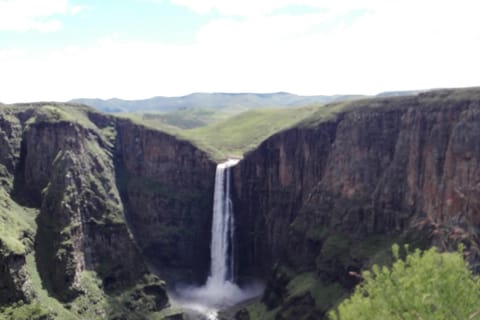
192 metres. That's the drop, one of the highest single-drop waterfalls in southern Africa. The hike to the viewpoint won't break most school-age kids. You'll see the falls at their best after summer rains, December through February. There's also the world's longest single-drop abseil here. That's for teens and up.
Katse Dam
Kids who like to know how stuff works can't help but stare. Katse Dam is a double-curvature arch dam, enormous, and the reservoir slices straight into dramatic mountain scenery. Boat trips run daily. For families who've already hiked, biked, or pony-trekked, it is the best man-made attraction in Lesotho.
Thaba-Bosiu Cultural Village
King Moshoeshoe I's mountain fortress, where the Basotho nation was born, delivers history that grips even restless kids. Local guides spin the tale with enough drama to keep children leaning forward. The flat-topped mountain needs only a short climb. Yet the payoff is immediate: views that stretch clear across Lesotho. No other stop in the country teaches this well.
Afriski Mountain Resort
At 3,222 metres, Lesotho's ski resort runs June, August. It's the only ski resort in southern Africa outside South Africa, novelty alone delights kids. Ski school is available. The slopes suit beginners and intermediates. Après-ski stays relaxed, family-oriented.
Basotho Cultural Village (Qwaqwa side)
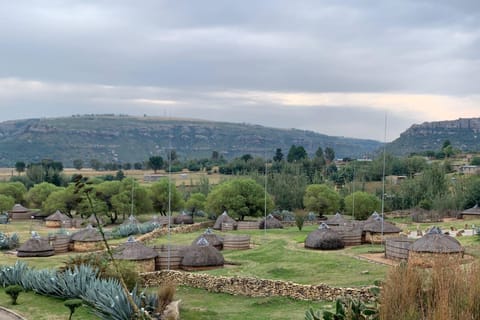
Right on the border beside Golden Gate Highlands National Park, this open-air museum rebuilds traditional Basotho homesteads from every era. The guides know their stuff. Kids stay glued to the hands-on bits, taste the food, watch the crafts. Pair it with a cross-border day trip.
Semonkong Village Community Walk
The village around Semonkong doesn't put on a show. Kids meet herd boys herding cattle, blanket weavers working wool, families cooking over open fires, real life, unscripted. The walk stays low-key and unhurried. Children who play with local kids often call it the trip's standout moment. Nothing is staged for tourists.
Ts'ehlanyane National Park
Lesotho's northern highlands hide one of its last indigenous forests, tucked-away, peaceful. Trails stay short, family-friendly. The river invites paddling when days turn warm. Bird life surprises, varied, constant. Bokong Nature Reserve sits nearby, adding the highland plateau experience.
Best Areas for Families
Where to base yourselves for the smoothest family trip.
Maseru isn't pretty. It is, however, the only place in Lesotho that won't leave you scrambling for diapers at 2 a.m. The capital delivers what families need, supermarkets, pharmacies, hospitals, decent restaurants, without the drama. Ugly? Sure. Functional? Absolutely. Use it as your base. Day trips to Thaba-Bosiu and Roma take minutes, not hours.
Highlights: Basotho Hat craft market is where you'll find the only place to stock up on supplies, go early, the stalls close at 3 p.m. sharp. Lion Rock viewpoint sits 15 minutes up a dirt track. The climb is short, the panorama across the valley is worth the dust. When clouds roll in, Gateway Mall has covered walkways, two cinemas, and a food court that won't empty your wallet. You're never more than 90 minutes from South Africa. The border at Maseru Bridge stays open until 10 p.m., so day trips are easy.
Malealea Lodge in the western lowlands is hands-down the best single destination for families chasing the real Lesotho minus the bone-rattling roads. The lodge has been hosting families for decades, they know what works. Pony treks, village walks, evening cultural performances. Kids engage with all of it.
Highlights: Pony trekking across the grasslands, San rock paintings etched into sandstone walls, community visits where you'll share tea with local families, singing performances that echo under acacia trees, this is the playground where children roam free. Safe paths wind between villages. Kids chase goats. You'll watch them disappear around mud huts, confident they'll circle back by sunset.
Semonkong rewards families who'll brave the rough roads for highland drama. Maletsunyane Falls, this is why you came. Semonkong Lodge knows families. The village isn't fake, it's a real community, not a tourist stage.
Highlights: Maletsunyane Falls drops 192 metres, higher than Victoria Falls, and you'll reach it on horseback. Pony trekking beats hiking. The trail winds through villages where locals wave, kids chase your horse, and guides swap Sesotho jokes for English ones. Village walks start at 8:00 a.m. sharp. You'll pass women grinding maize, men fixing thatch, and boys herding goats. Guides point out wild thyme, explain why roofs last 15 years, and won't let you leave without tea. San rock art hides in overhangs above the river. Red eland, white hunters, black shields, paint still bright after 3,000 years. The guide carries a laser pointer. Shadows jump across the stone. Swimming in the river is seasonal. From November to March the water runs warm and clear. Jump from rocks, float under the falls, dry in sun that hits 29°C. April through October? Too cold. Don't risk it.
Katse Dam sits in Lesotho's central highlands, an odd marriage of brute engineering and raw mountain drama. Roads here beat most interior routes, built for dam trucks, so families in standard cars can cruise up without drama. The reservoir carves a landscape that snaps well on phones and drops jaws on kids.
Highlights: Dam tours, boat trips, highland scenery, Bokong wetlands nearby
Snow in Africa, yes,. During ski season (June, August), Afriski delivers a proper family playground: ski lessons, tube sledding for the little ones, and that delicious shock of powder under an African sky. When the lifts shut, the highland plateau shifts gears. Trails open. Hiking here ranks among the country's most dramatic scenery.
Highlights: Skiing and snowboarding, tube sledding, mountain hiking, stargazing at high altitude
Family Dining
Where and how to eat with children.
Lesotho's dining scene is modest, by southern African standards. But families manage. Maseru holds the most options: several South African chain restaurants at Gateway Mall, plus local spots serving pap (maize porridge), moroho (cooked greens), and grilled meat that most children accept without complaint. Outside the capital, you'll eat at your lodge. This is often a good thing. Lodge kitchens are reliable, portions generous, dietary requests accommodated with advance notice. The food is simple, filling, honest.
Dining Tips for Families
- Most kids take to papa (pap) and moroho right away, it's nutritious, filling, and everywhere. Let them try it early.
- Ask for children's portions or half portions at lodges, staff usually say yes if you ask in advance.
- Pack snacks. Outside Maseru, service stations vanish, convenience food dries up fast.
- Grab produce at roadside markets, cheap, fresh, perfect. Load up in Maseru before you climb into the highlands.
- Email ahead. Lodges outside the capital won't handle dietary restrictions on the fly, they need advance notice. Don't arrive and hope.
Family lodges don't mess around. They serve set meals, proteins, starches, vegetables, on repeat. Plain rice? The chef already knows your kid won't touch anything else. This is the safest bet for food hygiene once you're outside the cities.
Grilled chicken, fat cakes, boiled maize, roasted mealies, these aren't exotic, they're what kids eat without noticing. Busy stalls with good turnover are generally fine. Look for the ones with locals queuing.
Gateway Mall's got the usual South African suspects, Debonairs Pizza, Chicken Licken, the lot. Lifesavers when you're dragging a cranky kid who just wants something familiar after a brutal travel day. Zero excitement. Pure strategy.
Tips by Age Group
Tailored advice for every stage of childhood.
Toddlers won't break Lesotho. They'll slow you down, exactly what this mountain kingdom likes. Roads are rough, altitude hits hard, and outside Maseru you won't find changing tables or high chairs. Basotho villages don't care. Hand your kid to a stranger; they'll hand back a song, a sweet, a story. The pace is theirs now.
Challenges: Above 2,500 metres, kids crash, lethargy, irritability. Spot the signs? Descend fast. Roads beat up cars. Rides drag. Stop every 45, 60 minutes, no negotiation. Changing rooms, high chairs, playground gear? Forget it. Outside Maseru, they simply don't exist.
- Skip the high highland lodges. Book lower-altitude lodges, Malealea, Maseru surrounds, when you're traveling with very young children.
- Loosen the schedule. Lesotho won't hurry for you, so let the kids set the and plan around their energy, not the sights.
- Carry a portable potty for road trips, roadside facilities are non-existent on highland routes.
Seven- to twelve-year-olds own Lesotho. They ride ponies solo, march to clifftop views, interrogate village elders, and care why the mountains tilt. Outdoor boot-camp days match their energy. Parents watch jaws drop as the kids forget phones and interrogate Basotho history instead.
Learning: Lesotho's school-age kids get better history lessons than most tourists. Moshoeshoe I's unification of clans against Zulu raids and colonial land-grabs, told by a sharp local guide, beats any textbook. Drive on to Katse Dam, centerpiece of the Lesotho Highlands Water Project, and you'll see 185 m of concrete that moves water, power, and political weight across borders. Watch Basotho herd boys, many only 10, 12, 14, tend sheep in thin air. Same age as your children. Different syllabus. Hard to manufacture that conversation back home.
- Warn the kids before you reach the border: Basotho greetings matter. Teach them to say "Lumela." One word, doors swing open.
- Pack a small notebook for older children to record observations, it keeps them engaged on long drives
- Kids aren't mini-adults, thin air hits them harder. Schedule day one in the highlands as a soft lap round the plaza. Climb the fortress tomorrow.
Lesotho works for teenagers. The country's near-total lack of tourist infrastructure means nothing feels manufactured, nothing performative. That authenticity matters. Adolescents hate fake, and Lesotho isn't. The activities deliver. You can abseil at Maletsunyane, ski at Afriski, or spend days on multi-day pony treks. Each one is exciting. The cultural encounters, those feel real too. But here's the catch. Teens who need constant connectivity will struggle. Same for anyone demanding entertainment infrastructure. The country doesn't offer it. That frustrates some. It liberates others.
Independence: Maseru hands teens enough rope, moderate independence works. The city centre and Gateway Mall area let them roam with a phone and some cash, no leash required. Out in the sticks, pair them up. Rural areas demand a buddy system and clear meeting points. Solo wandering on highland paths courts real trouble when local knowledge runs out. Lesotho won't bite. Common sense beats wrapping kids in bubble wrap.
- Let teens pick one or two activities themselves, suddenly they're invested. Ownership flips the mood faster than any lecture.
- Mobile data won't save you in the highlands, download offline maps before leaving South Africa.
- The multi-day pony trek could fairly be called the single activity that'll brand itself on your memory for years. Worth every ounce of effort you'll spend organizing it.
Practical Logistics
The nuts and bolts of family travel.
You'll need a 4WD for most of Lesotho's interior, no exceptions. Highland roads turn to mud after rain, and they weren't great before. South African rental outfits don't include car seats as standard when crossing the border. Bring yours or confirm availability before you book. Maps lie here. A 60km highland drive takes 2, 3 hours, not the hour you'd expect. Forget public transport with family luggage. Minibus taxis run between towns, but they're cramped hell with kids and gear. Private hire with driver costs more, and it is worth every cent.
Queen Mamohato Memorial Hospital in Maseru is the most capable facility in the country, though medical standards sit far below what visiting families expect. Travel insurance with medical evacuation cover is essential. Not optional. Pharmacies exist in Maseru, Clicks at Gateway Mall is reliable, and stock basic medications. But supplies can be inconsistent. Nappies, formula, and infant food are available in Maseru supermarkets. Choice is limited. Brands may be unfamiliar. Bring a sufficient supply for the rural portions of your trip. For serious medical emergencies, evacuation to South Africa, Bloemfontein or Johannesburg, is the realistic plan.
Lesotho's boutique lodges love adults. Kids? Not always. Scan the fine print, only book properties that shout "families welcome." Hot water tops the must list. Plenty of $20 spots still run cold. You'll also want fenced grounds so toddlers can sprint without cliff dives, plus a kitchen for 5 a.m. noodles. Maliba Lodge, Malealea Lodge, and Semonkong Lodge have done the homework, cots, high chairs, and babysitting on speed dial. Demand connecting rooms or a family cottage; a double squeezed to 2 m wide won't cut it.
- Pack warm layers for everyone, summer nights in the highlands still plunge, and the mercury won't forgive you.
- Your own child car seat (not reliably available from rental companies)
- Sunscreen rated SPF50+, the high altitude intensifies UV radiation significantly
- Sufficient nappies, formula, and baby food for rural portions of the trip
- Pack a basic first aid kit. Oral rehydration salts, antihistamines, children's pain relief, must-haves. Don't leave without them.
- Insect repellent (malaria risk exists in lowlands, summer months)
- Waterproof jackets for everyone, afternoon thunderstorms are common in summer
- Comfortable walking shoes with ankle support for uneven highland terrain
- Stock up before you hit the border, Maseru sits 20 minutes from Ladybrand, and the supermarkets there sell everything cheaper.
- Self-catering lodges slash food costs and hand you the reins, perfect when your kid won't touch anything green.
- Skip the middleman. Pony treks negotiated directly at lodges are cheaper, often by a lot, than anything you'll find through booking intermediaries.
- Pick one solid lodge and stay put. Day trips beat nightly moves, fuel and vehicle wear add up fast.
- Village walks cost almost nothing. Cultural performances? Same deal. Every shilling you hand over lands straight in local pockets, no middlemen, no tour-company cut. Direct cash to families.
Family Safety
Keeping your family safe and healthy.
- ! Altitude kills plans faster than lions. Much of Lesotho sits above 2,000 metres, highland areas hit 3,000m+. Take one full day to acclimatise before any hard activity. Watch kids for headaches, nausea, or weird fatigue. Skip planned hikes if someone feels off. Descend if symptoms persist.
- ! Malaria hangs in the lowland air, below 1,800m. Peak risk? October through April. Smear DEET-based repellent on kids every evening. Long sleeves and trousers at dusk aren't optional. See your doctor about prophylaxis before you travel with young children.
- ! Lesotho's highland roads will test your nerves. Narrow. Poorly lit. Treacherous in rain or fog. Drive only in daylight, no exceptions. Pack a spare tyre plus basic tools. Don't even think about tackling those highland passes after dark. Keep children buckled into proper car seats at all times.
- ! Tap water outside big hotels can make you sick. Stick to bottled or filtered water. Drill kids: no tap water, no river water. Pack oral rehydration salts, stomach upsets hit most travelers during the first days.
- ! Altitude turns sunscreen into survival gear. UV radiation climbs with every foot you gain, and children burn faster than you'd think, even when the sky stays cool and overcast. Reapply SPF50+ every two hours. Make sun hats on younger children a non-negotiable habit.
- ! Road-crossing safety in Maseru requires active supervision. Traffic doesn't always yield to pedestrians, and the city's pavements and crossings are inconsistent. Hold young children's hands at all times in urban areas and cross at formal junctions where possible.
- ! Rural food hygiene? It demands caution. Eat only food cooked to order and served steaming. Skip raw vegetables, market stalls often rinse them in untreated water. Pack the basic antibiotic course your travel doctor prescribes. Gastroenteritis can wreck a family trip fast, with kids.
Book Family Activities
Top-rated family experiences in Lesotho.
Explore Activities in Lesotho
Didn't see anything interesting yet?
Browse Viator's full catalog of tours, day trips, food experiences, and private guides in Lesotho.
See All Lesotho Tours on ViatorReady to plan your trip to Lesotho?
Now that you've got the research covered, here's where to go next.