Things to Do in Lesotho in July
July weather, activities, events & insider tips
Low Season · Budget Friendly
July Weather in Lesotho
Long-run averages for July in Maseru
60°F (16°C)
High Temp
30°F (-1°C)
Low Temp
0.6 inches (15 mm)
Rainfall
54%
Humidity
5
Sunny-Day UV
⚠ Black ice forms on mountain roads before dawn and in shaded sections throughout the day, above 2,000 m (6,560 ft). The passes between Butha-Buthe and Mokhotlong, and the Sani Pass route, are prone. Drive only in daylight hours and carry chains if heading into the deep highlands.
⚠ Overnight temperatures in the highlands regularly drop to -10°C (14°F) or below, and exposure risk is real for anyone caught outdoors without adequate clothing or shelter. Hypothermia cases among hikers who underestimated conditions are not uncommon. Highland weather can shift quickly even in the dry season, and a clear morning does not guarantee a calm afternoon.
⚠ Altitude sickness is possible for travelers arriving directly into the highlands above 2,500 m (8,200 ft), at Afriski near 3,200 m (10,500 ft). Symptoms include headache, nausea, and shortness of breath. Spend a night in Maseru at 1,600 m (5,250 ft) to acclimatise before driving to higher elevations.
Making the most of July in Lesotho? Browse tours and activities in Lesotho on GetYourGuide.
Is July Right for You?
Weigh the advantages and considerations before booking
Advantages
- + July ties with August as Lesotho's driest month. Maseru sees just 15 mm (0.6 inches) of rain. The highland air turns crystalline. From the Maluti escarpment on a clear morning, you can see sixty or seventy kilometres into the Orange River valley without a speck of haze. For trekking, photography, and mountain driving, this visibility is unmatched.
- + Afriski Mountain Resort sits above 3,000 m (9,840 ft) in the Maluti Mountains near Butha-Buthe. July marks the heart of its snow season. This is sub-Saharan Africa's only operational ski area. Winter storms deposit enough cover for genuine runs. The novelty of skiing in a landlocked African kingdom draws a small but devoted crowd. The atmosphere at the base lodge feels more like a mountain hut than a resort.
- + July sits squarely in Lesotho's low season for general tourism. Outside of Afriski, accommodation across the highlands and in Maseru tends to be readily available without advance booking. Operators running pony treks and 4x4 routes through the highlands are less stretched. This means more flexible scheduling and smaller group sizes.
- + The dry winter cold keeps rivers low and waterfalls lean. The surrounding gorges stand out in sharp relief. At Maletsunyane Falls near Semonkong, the reduced flow lets you see the full 192 m (630 ft) cliff face more clearly. The morning frost on the grasslands around the gorge rim catches early light in a way the wet-season green never does.
Considerations
- − Lesotho earns the name Kingdom in the Sky because its lowest point is roughly 1,400 m (4,593 ft) above sea level. This is the highest low point of any country on earth. In July that altitude bites. Overnight temperatures in Maseru drop to around -1°C (30°F). In the highlands above 2,500 m (8,200 ft) they regularly fall to -10°C (14°F) or lower. Frost is a nightly certainty across most of the country. Ice forms on mountain roads before dawn.
- − Daylight hours shrink noticeably in July. The sun sets around 5:30 PM and rises after 6:30 AM. This gives you roughly eleven hours of usable light. For highland trekking or the Sani Pass route, this compresses your window. You will need early starts in freezing darkness if you want a full day out.
- − Rural infrastructure in Lesotho is limited year-round. Winter sharpens the edges. Some highland lodges reduce services or close entirely from June through August. The mountain roads connecting the interior, the routes east of Mokhotlong, can ice over or become impassable after a cold snap. A 4x4 is not optional for the highlands in July. It is the minimum.
Short on time in July? See day trips around Lesotho on GetYourGuide.
Best Activities in July
Top things to do during your visit
Afriski Mountain Resort Skiing and Snowboarding
July is peak snow season at Afriski, perched at 3,222 m (10,571 ft) in the Maluti Mountains near Oxbow. The runs are modest by Alpine standards, roughly 1 km (0.6 miles) of groomed slope. The setting is extraordinary. Snowfields drop away into brown winter grassland under a sky so blue it looks artificial. The cold is serious up here, often -8°C (18°F) at the base by mid-afternoon. The wind off the plateau cuts through anything less than a proper ski jacket. Mornings tend to offer the best snow conditions before afternoon sun softens the surface. Even non-skiers come up for the lodge atmosphere. The smell of wood smoke and braai meat drifts through rooms full of people in Basotho blankets and ski boots. This is a combination you will not find anywhere else on the continent.
Booking Tip: Book accommodation at the resort or nearby lodges at least three to four weeks ahead. The limited bed count fills on weekends during snow season. Midweek visits are significantly quieter. Equipment hire is available on site but sizes can run short. Bring your own gloves and goggles at minimum. See current tour and transfer options in the booking section below.
Sani Pass 4x4 Ascent from the South African Border
The gravel switchbacks of Sani Pass climb from roughly 1,500 m (4,920 ft) on the KwaZulu-Natal side to 2,876 m (9,436 ft) at the Lesotho border post. In July the route is dry, firm, and at its most drivable. The summer mud and washouts that make the pass treacherous from December through March are absent. Frozen ruts and bone-dry dust replace them. The air at the top hits you like a slap, cold and thin and utterly still. On a clear July morning the escarpment views stretch into the Drakensberg in every direction. At the summit, the highest pub in Africa serves warm drinks in a stone building where the wind rattles the corrugated roof. The descent is harder on brakes than nerves in dry conditions. The hairpins demand respect regardless of season.
Booking Tip: Licensed 4x4 operators run day trips from the KwaZulu-Natal side, typically departing early morning and returning by late afternoon. Book at least a week ahead for weekend departures. Bring your passport. You are crossing an international border. Current guided options appear in the booking section below.
Basotho Pony Trekking in the Central Highlands
The Basotho pony is the national animal for a reason. These stocky, sure-footed horses have navigated Lesotho's mountains for two centuries. A multi-day trek on ponyback through the highlands in July is one of the most distinctive travel experiences in southern Africa. The dry winter trails are firm underfoot. The river crossings are low and manageable. The cold keeps the flies and ticks that plague summer rides entirely absent. You ride through villages where herd boys in gumboots and blankets wave from stone-walled kraals. You pass frozen streams that crackle underfoot. You cross plateau grasslands the colour of old wheat. Nights in village rondavels are cold. The fire pit in the centre and the thick wool blankets are adequate. The smell of dried cow dung burning, sharp and earthy, becomes the defining scent of the trip by the second evening.
Booking Tip: Pony trekking operators based near Malealea and Semonkong offer rides from a few hours to five days. Book multi-day treks at least two weeks in advance. Confirm warm bedding and meals come included. No riding experience required. Basic fitness helps. See highland tours below.
Thaba Bosiu Cultural Heritage Site
Thaba Bosiu rises 24 km (15 miles) east of Maseru, a flat-topped sandstone fortress where King Moshoeshoe I founded the Basotho nation in 1824. He made the summit impregnable. Every army failed. July brings dry winter air and low-angle sun. The royal village remains, defensive walls, and burial sites emerge with clarity summer haze hides. The climb takes 45 minutes up a marked trail through brown grass and exposed sandstone. Wind at the top stings. A heritage interpreter changes everything. The summit overlooks vast, quiet Maseru lowlands in July. Summer tourist coaches stay away.
Booking Tip: Guides wait at the visitor centre below. Arrive by mid-morning. Light hits the summit best then. Leave time for the small museum. The site works as a half-day trip from Maseru. Current cultural tours appear below.
Katse Dam and the Lesotho Highlands Water Project
Katse Dam sits wedged in a central Maluti gorge at 2,000 m (6,560 ft). It ranks among Africa's largest dams. The water transfer scheme sends Lesotho's highland rainfall to South Africa's Gauteng province. July brings lowest reservoir levels after dry autumn. Exposed rock bands reveal the scale wet season will refill. The drive from Maseru takes three to four hours on paved roads winding through empty highland terrain. Sandstone formations streak orange and grey. Painted rondavel villages dot the route. Switchbacks climb hundreds of metres in minutes. The dam wall is a double-curvature arch, 185 m (607 ft) high. The guided engineering tour through interior tunnels fascinates even infrastructure skeptics. The tunnel cold stays constant. Surface temperature means nothing inside.
Booking Tip: Dam tours follow set schedules. Confirm before driving out. The paved route from Maseru runs slow through mountain switchbacks. Allow a full day. Overnight in the nearby highlands instead. A guided day trip simplifies logistics. See current options below.
Semonkong and Maletsunyane Falls Gorge Walk
Maletsunyane Falls plunges 192 m (630 ft) into a basalt gorge near Semonkong. July trades raw power for stark beauty. Reduced flow exposes gorge walls normally hidden behind spray. Black and rust-red streaks show fully now. The pool below lies still and green, not churning white like summer. The descent takes ninety minutes each way on steep, rocky trails. Frost lingers in shadows until midday. Silence dominates the bottom. Only a thin thread of falling water breaks it. Jackal buzzards call from the rim. Semonkong means Place of Smoke, named for wet season mist. The settlement is small. The general dealer stocks tinned goods and Basotho blankets. Little else. That remoteness is the point.
Booking Tip: The falls lodge arranges guided gorge walks. Abseiling down the falls face suits the adventurous. Book Semonkong lodging two weeks ahead. Options are scarce. The drive from Maseru covers roughly 120 km (75 miles). Mountain roads stretch it to three hours. Check below for guided highland experiences including Semonkong.
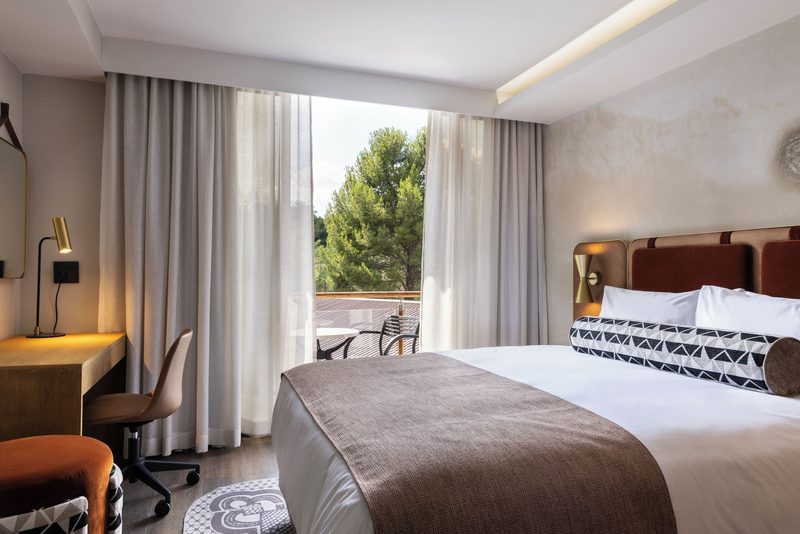
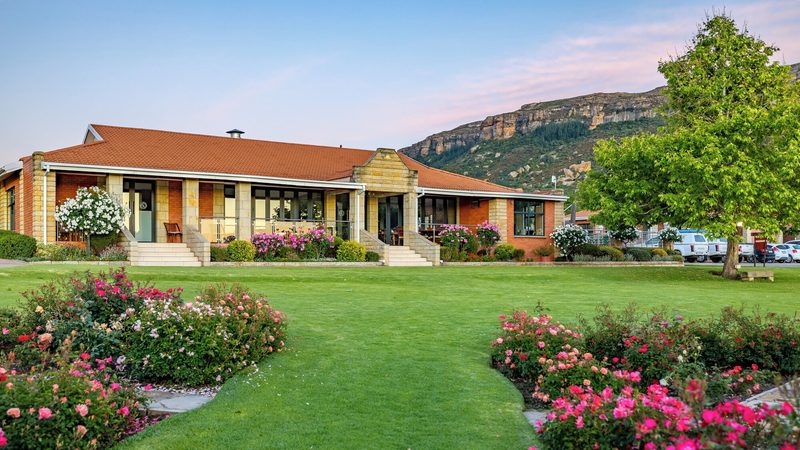
Where to Stay in Lesotho in July
Hand-picked hotels across price tiers for July travellers.
Public Holidays in July
Dates that affect opening hours, transport and crowds
King Letsie III's Birthday
Observed nationwide as a public holiday.
King Letsie III's Birthday
Observed nationwide as a public holiday.
Packing Checklist
Bookmark this page — your progress is saved between visits
Need the full list with shopping links?
Climate-specific gear, brand recommendations, and what to leave at home.
View Lesotho Packing List →Essential Tips
Insider knowledge and common pitfalls to avoid
Insider Knowledge
The Basotho blanket is not tourist costume. It is everyday outerwear across the country. Herd boys, grandmothers, and government ministers all wear them. Patterns carry meaning. The Seanamarena design with its corncob motif is most formal, traditionally linked to chieftainship. Travelers wearing one cause no offense. But context matters. Wrapping up against cold at a highland lodge looks natural. Wearing one to a Maseru bar looks affected. Vendors in Teyateyaneng, known locally as TY, offer better selection and better conversation than Maseru tourist shops.
Lesotho runs on South African rand as readily as its own loti. Currencies are pegged at par. Most Maseru businesses accept either. In the highlands, cash is king and smaller denominations matter. ATMs exist in Maseru, Leribe, and a few district capitals. Beyond that, you rely on what you brought. Carry enough rand or maloti in small notes for several days when heading into the interior.
Mountain roads between Maseru and Mokhotlong, or Maseru and Semonkong, are technically paved in sections. Winter frost heaves and years of truck traffic have left stretches that are effectively gravel with ambitions. A 4x4 with decent clearance is not luxury. It is baseline for any route climbing above 2,000 m (6,560 ft). Locals manage in battered sedans through intimate knowledge of every pothole. Visitors lack that advantage. Fuel up in Maseru or Butha-Buthe. Deep highlands offer no fuel guarantees.
July evenings in Maseru are quiet but not dead. The area around Kingsway and Pioneer Mall holds restaurants and bars where locals gather around open fires and braai grills. The smell of charred boerewors drifts into cold air. Food across the country leans heavily on papa, the stiff maize porridge that is Basotho staple, served with moroho, slow-cooked greens, and stewed meat. It is simple, warming, and exactly right for the climate. Ask for motoho at breakfast. This thick fermented sorghum porridge carries a sour tang that wakes you faster than coffee and sits in your stomach like a furnace against cold mornings.
Avoid These Mistakes
Underestimating the cold is the single most common error. Travelers see Africa on the ticket and pack for warmth. Lesotho in July is not tropical Africa. It is high-altitude winter that regularly drops below freezing. Arrivals in fleece and jeans spend their first evening buying every warm item Maseru shops stock. Pack for a European mountain winter. Thermally, that is precisely what this is.
Avoid trying to cover too much ground in a day. Lesotho map distances look manageable. One hundred twenty km (75 miles) from Maseru to Semonkong, for instance. Mountain roads, livestock in the roadway, and ice patches in shaded sections stretch that to three hours on a good day. Plan for half the daily driving distance you would cover in South Africa. Build in time for unexpected stops: a herd of goats, a washed-out culvert, a village where someone waves you down asking for a lift.
Do not skip Lesotho entirely for a day trip up Sani Pass from the South African side. Many travelers reach the border post at the top, have a drink at the pub, and turn around. Technically they entered Lesotho. They saw nothing of it. The country's character lives in the highland interior: villages around Malealea and Semonkong, the drive to Katse Dam, the plateau above Mokhotlong. None of this is visible from the Sani Pass border hut. If you are coming, come properly. Two or three nights minimum to reach the interior and return.
Ready to plan your trip to Lesotho?
Now that you've got the research covered, here's where to go next.
Explore More Activities in Lesotho
Didn't see anything interesting yet?
Browse Viator's full catalog of tours, day trips, food experiences, and private guides in Lesotho.
See All Lesotho Tours on Viator