Where to Stay in Lesotho
A regional guide to accommodation across the country
Altitude decides where you sleep in Lesotho. Maseru, wedged against the South African border in the western lowlands, keeps the country's lone international brand, the Avani Lesotho Hotel & Casino, plus colonial-era holdouts and a clutch of modest guesthouses along Kingsway. Beyond the capital, the map changes fast. AfriSki Mountain Resort in Butha-Buthe district runs Africa's only ski slopes. Malealea Lodge anchors one of the continent's best pony-trekking hubs. Semonkong Lodge drops you a five-minute stroll from a 192-metre waterfall and the planet's longest commercial abseil. Room rates sit well below southern African norms. A rondavel or budget guesthouse costs $15, 30. Mid-range lodges and city hotels ask $40, 80. The Avani stands alone at the top, commanding $120, 180 for real four-star comfort and a casino that works. Outside Maseru, "luxury" translates to a smart mountain chalet, not a glass tower, and that definition fits the Kingdom in the Sky like a glove. The best beds here fuse rustic lodges with hard action: multi-day pony treks from Malealea into roadless highland villages, abseils at Semonkong, winter ski runs at AfriSki, or boat tours of the Katse Dam reservoir. The accommodation grid in the eastern highlands and Mokhotlong is thin, reserve early and arrive self-sufficient. That scarcity is exactly why Lesotho ranks among southern Africa's most rewarding off-the-beaten-track destinations.
Where to Stay in Lesotho
Hand-picked hotels across price tiers for every visitor.
Our Top Picks
The highest-rated hotel in each price range, selected from across Lesotho.
Top Pick: Maseru & Capital District
Luggage storage
Wi-Fi in public areas
Maseru & Capital District
Check prices on Trip.com →
Top Pick: Maseru & Capital District
Mid Range
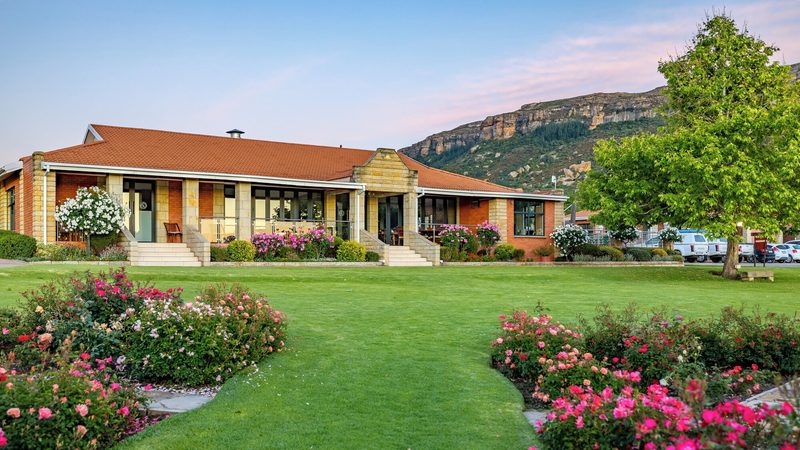
Avani Lesotho Hotel & Casino
"The hotel is not bad, always choose here"
Golf course
2 Outdoor swimming pools
Horse riding
Hiking
Maseru & Capital District
Check prices on Trip.com →
Find Hotels Across Lesotho
Compare prices from hotels across all regions
Search HotelsPrices via Trip.com. We may earn a commission from bookings.
Regions of Lesotho
Each region offers a distinct character and accommodation scene. Find the one that matches your travel plans.
Maseru & Capital District
Mixed
Maseru, perched at 1,600m on the Caledon River, is the only city in Lesotho with a full range of accommodation options. The main hotel corridor runs along Kingsway toward the Lancers Inn roundabout. Things to do in Lesotho Maseru include the Basotho Hat craft market, the National Museum, Thaba-Bosiu cultural village (the hilltop fortress where King Moshoeshoe I repelled Zulu and Boer invasions), and the French Mission church complex at Morija, 40km south. Business visitors tend to dominate hotel rosters, keeping prices stable and rooms available year-round.
Accommodation: City hotels run from bare-bones guesthouses to one international-standard property. No boutique scene has surfaced yet. But social enterprise lodging is quietly growing.
Gateway Cities
Where to stay in this region
Luggage storage
Wi-Fi in public areas
✓ Verified
Check prices on Trip.com →
Mid Range
Avani Lesotho Hotel & Casino
"The hotel is not bad, always choose here"
Golf course
2 Outdoor swimming pools
Horse riding
Hiking
✓ Verified
Check prices on Trip.com →
Budget
Tribute Guest House Matala
"Not far from the main street, secure parking, good reception, reception has open…"
Private parking
Luggage storage
Wi-Fi in public areas
Bar
✓ Verified
Check prices on Trip.com →
Budget
Scenery Guesthouse Stadium
"A very good affordable hotel in Maseru, the capital of Lesotho."
Private parking
Restaurant
Car rentals
Conference room
✓ Verified
Check prices on Trip.com →
Budget
City Stay West
"City Stay was my hotel in Lesotho for over 4 nights, and where I was mostly sick…"
Parking
Airport pick-up
Airport drop-off
Wi-Fi in public areas
✓ Verified
Check prices on Trip.com →
Northern Highlands, AfriSki & Oxbow
Mid to High
Butha-Buthe district rises from the productive northern lowlands into the Maluti Mountains, where Lesotho ceases to have a lower point than 1,400m. The Oxbow plateau and AfriSki Mountain Resort receive southern Africa's only reliable snowfall outside the Atlas, June through August sees the slopes fill with skiers and snowboarders from across the region. Things to do near AfriSki extend beyond the piste: mountain biking, trout fishing on the Bokong and Malibamatso rivers, and hiking to peaks above 3,000m occupy the summer months. The A1 mountain road through this district is one of the most impressive drives in Africa regardless of season.
Accommodation: AfriSki books out months ahead in winter, plan accordingly. Mountain lodges and ski resort chalets fill fast.
Gateway Cities
Butha-Buthe
Oxbow
Where to stay in this region
Budget
Noble Hearts Bed & Breakfast
Outdoor swimming pool
Private parking
Wi-Fi in public areas
✓ Verified
Check prices on Trip.com →
Budget
Scenery Maqalika Guesthouse
"The place is safe, clean and the staff are respectful and very professional. I w…"
Private parking
Restaurant
Car rentals
Conference room
✓ Verified
Check prices on Trip.com →
Mid Range
Avani Maseru Hotel
Golf course
Outdoor swimming pool
Horse riding
Hiking
✓ Verified
Check prices on Trip.com →
Mid Range
The Advocate Suites
Horse riding
Parking
Airport pick-up
Luggage storage
✓ Verified
Check prices on Trip.com →
Leribe & Northern Lowlands
Budget
Leribe District, centred on Hlotse, sits in the fertile northern lowlands between Maseru and the Butha-Buthe mountain gateway. Skip the town itself, head straight for Subeng and Tsikoane, where 200-million-year-old dinosaur footprints lie frozen in sandstone; they're among Africa's best accessible track sites. The Leribe Craft Centre turns local mohair into the country's finest scarves and rugs, watch weavers work, then buy. Beds are clean, cheap, and forgettable: Leribe is a practical overnight halt, not a reason to linger.
Accommodation: Small-town hotels and family guesthouses, they're adequate for overnighting, nothing more. Tourist infrastructure stays minimal.
Gateway Cities
Hlotse
Leribe
Malealea & Maluti Foothills
Budget to Mid
Malealea, a village in Mafeteng district reached by a corrugated dirt road off the A2, ranks among southern Africa's most celebrated rural destinations. Malealea Lodge has served as the way into Basotho highland culture since the 1980s, organizing multi-day pony treks through roadless mountain villages, hikes to the Gates of Paradise Pass, and evenings around communal fires with traditional music. The university town of Roma, 35km southeast of Maseru, adds a different texture to this lowland region. The historic Trading Post Guest House has welcomed travelers since the 19th century and anchors the Roma Valley's small accommodation scene.
Accommodation: Malealea Lodge dominates the scene, one roof, full package. Roma gives you quiet. Scholarly. Closer to Maseru.
Gateway Cities
Katse Dam & Central Highlands
Budget to Mid
The Katse Dam, an arch dam of staggering scale that flooded into the Maluti Mountains as part of the Lesotho Highlands Water Project, is the country's most impressive feat of civil engineering and among its most visited attractions. What to do at Katse Dam includes guided tours of the double-arch wall, boat trips on the reservoir, and visits to the botanical garden planted as conservation offset for the valley communities that were displaced. Thaba-Tseka District surrounds the dam with high-altitude plateau life that sees almost no tourist traffic. The road in from Maseru via the Molimo Nthuse Pass is one of the most spectacular mountain drives in the region.
Accommodation: Katse Lodge is the only dedicated tourist property with views of the dam. Period. Thaba-Tseka has a basic government guesthouse, nothing more.
Gateway Cities
Katse
Thaba-Tseka
Semonkong & Southern Highlands
Budget to Mid
Semonkong, 'place of smoke' in Sesotho, earns its name from the permanent mist rising off Maletsunyane Falls, a 192-metre single-drop waterfall that ranks among the highest in Africa. Semonkong Lodge has built an entire adventure program around it: the world's longest commercially operated abseil drops the full face of the falls, and pony treks push deep into the Thaba-Putsoa range to villages reached only by bridle paths. Lesotho weather in this southern highland zone swings between brilliant summer clarity and sharp winter cold, pack accordingly regardless of season. The lowland districts of Mohale's Hoek and Quthing see very few foreign visitors and reward self-sufficient travelers with genuine off-grid southern Africa.
Accommodation: Semonkong Lodge owns the highlands. It looms over every ridge. Below, in the southern lowlands, town hotels do the job, clean, basic, no surprises.
Gateway Cities
Semonkong
Mohale's Hoek
Quthing
Mokhotlong & Eastern Roof of Africa
Budget to Mid
Mokhotlong District sits atop Lesotho, highest, loneliest ground in the country. Thabana Ntlenyana (3,482m) crowns it: highest point in southern Africa outside the Rwenzori. The Sani Pass, 4WD only, drops south into KwaZulu-Natal, threading through Sani Mountain Lodge, Africa's highest pub at 2,874m. This is country for seasoned hikers, horseback riders, hard-core overland drivers, not for soft-bed hunters. Lesotho holiday accommodation is thin, basic. The payoff? Solitude at altitude and Basotho highland culture untouched by tourist gloss.
Accommodation: Minimal infrastructure. Town guesthouses in Mokhotlong do the job, basic beds, shared taps, cold nights. Then there's Sani Mountain Lodge at Sani Pass summit. One road up. One bar. Highest pub in Africa at 2874 m.
Gateway Cities
Mokhotlong
Sani Top
Accommodation Landscape
What to expect from accommodation options across Lesotho
International Chains
Lesotho has no international hotel chains, none. Only the Avani (a Holiday Inn in disguise) flies a global flag. Protea, Sun Hotels, City Lodge: every big South African name you know stayed south of the border. The rest? Mom-and-pop lodges, family guesthouses, one-off camps. All local, all independent.
Local Options
Guesthouses outside Maseru, family-run, mostly, share space with government rest houses. Dinner and breakfast come as a package rate. You will need this. Highland areas have no restaurants. The standard is honest and warm. Polished? No.
Unique Stays
Sleep in a Basotho rondavel, circular stone hut, conical thatch, and you'll pay from $15 a night. These mud-brick circles are Lesotho's most characterful accommodation, scattered across most rural lodges. Pony-trekking camps go further: you bed down in working village rondavels beside local families. No conventional hotel can replicate that immersion. This holiday setup is the country's single greatest edge over its neighbors.
Ready to book?
Compare hotel prices across Lesotho
Search Hotels in LesothoBooking Tips for Lesotho
Country-specific advice for finding the best accommodation
Book AfriSki in winter, everywhere else close in
AfriSki chalets are gone by April, booked solid for June, July snow. The rest of the year? You can ring Lesotho lodges two days ahead and still get a bed. Visitor numbers stay low. Places only pack out when South Africa takes a long weekend.
Search hotels →Confirm Malealea and Semonkong by phone
Phone first. Malealea Lodge will pencil you a pony-trek while you're still on the line, one call, room and guide locked. Both lodges take online forms. But email or a quick ring is still how seats, and saddles, get saved.
Search hotels →Cash is essential outside Maseru
Maseru, Hlotse, and Mohale's Hoek have ATMs, everywhere else wants cash. Highland lodges, village guesthouses, and every rural property stay strictly cash-only. The Lesotho Loti trades 1:1 with the South African Rand, and both currencies pass hands freely at virtually every property in the country.
Search hotels →A high-clearance vehicle opens the best lodges
Malealea, Semonkong, and the Sani Pass lodges all sit on roads that become impassable for standard cars in rain or winter conditions. Budget for a 4WD rental from Maseru if your itinerary extends beyond the A1 and A2 paved routes.
Search hotels →When to Book
Timing matters for both price and availability across Lesotho
High Season
Book AfriSki between March and April if you want June, August snow. Malealea and Semonkong? They're packed on December, February weekends, summer hiking season. Reserve 3, 4 weeks ahead for those dates.
Shoulder Season
September, October and April, May give you Lesotho at its best: cobalt skies, mild Lesotho weather, half-empty lodges, and rates that drop. The highland ridges blaze autumn gold or flash spring green, either way, your camera won't blink first.
Low Season
March drowns the mountains, heavy rain, washed-out roads, tracks shut tight. July and August beyond the ski zone? Cold but doable. Night temps plunge below freezing at altitude. Pack layers, serious ones.
Book one to two weeks ahead and you'll be fine. That window covers Lesotho accommodation year-round, except for two traps. AfriSki in winter? Gone. Any long weekend when South Africans pour over Maseru Bridge? Every bed in the network disappears fast.
Good to Know
Local customs and practical information for Lesotho
Check-in / Check-out
Tipping
Tipping isn't expected in Lesotho. But it lands hard. Hand over R20, 50 (approximately $1, 3 USD) each night to housekeeping. Guides and horsemen get the same per day. Locals call it generous. Lodge staff call it rent.
Payment
Cards work at Avani Lesotho Hotel & Casino and a handful of Maseru hotels. That's it. Everywhere else wants cash, no exceptions. South African Rand is accepted everywhere. Lesotho Loti is the official currency but treated as interchangeable.
Safety
Lesotho is safe. Highland lodges, rural areas, no question. The Basotho welcome travelers; they've done it forever. Maseru after dark? Keep your wits near the bus rank and market. Lock passports and cash in hotel safes inside the capital. Outside it, plain common sense does the job.
Found your region?
Compare hotel prices now.
Search Hotels