Things to Do in Lesotho in February
February weather, activities, events & insider tips
Low Season · Budget Friendly
February Weather in Lesotho
Long-run averages for February in Maseru
80°F (27°C)
High Temp
57°F (14°C)
Low Temp
3.5 inches (89 mm)
Rainfall
62%
Humidity
13
Sunny-Day UV
⚠ Severe afternoon thunderstorms with frequent lightning are a daily risk in the highlands during February. Lesotho's treeless plateaus above 2,000 m (6,562 ft) offer no natural shelter, and lightning strikes are a genuine cause of fatalities among herders and hikers. If you see cumulonimbus clouds building, descend from exposed ridges immediately and do not shelter under isolated trees or rock overhangs.
⚠ Flash flooding in river valleys and at low-water crossings can turn a passable ford into a lethal torrent within an hour of a highland storm. Never cross a river that is visibly rising, even if you crossed it safely that morning. Locals will wait hours for water to drop, and you should follow their lead without exception.
⚠ Unpaved highland roads become dangerously slippery after rain. Clay-based tracks lose all traction when wet, and vehicles regularly slide off mountain roads during February storms. Carry a tow rope, know how to use it, and do not attempt mountain passes after heavy rain until the surface has had at least two hours to drain.
Making the most of February in Lesotho? Browse tours and activities in Lesotho on GetYourGuide.
Is February Right for You?
Weigh the advantages and considerations before booking
Advantages
- + February turns Lesotho's highlands their greenest. Summer rains transform the normally tawny sandstone plateaus into rolling grasslands that feel more like the Scottish Highlands than southern Africa. Waterfalls run at full force. The mountain passes carry a clarity of light that makes photographers linger at every switchback.
- + Accommodation availability is wide open compared to the June through August ski season at Afriski. Rates across the country tend to sit at their lowest annual point. You can often book lodges in the highlands with just a few days notice. This is unthinkable in winter.
- + Longer daylight hours give you a generous window for highland drives and treks. The sun does not set until nearly 7 PM. Morning starts around 5:30 AM mean early risers can catch the mist burning off the Maluti Mountains before the afternoon clouds build.
- + This is the season when rural Basotho life is most visible. Herders move livestock through the high passes. Women harvest moroho (wild greens) from the hillsides. Villages along the mountain roads are at their most active. February lets you see a working landscape, not a postcard.
Considerations
- − Afternoon thunderstorms are a near-daily occurrence in the highlands. They arrive fast. By 2 PM the clouds stack into anvil-shaped towers. Within thirty minutes you can go from clear sky to a downpour with lightning that cracks across the treeless plateaus. This is not drizzle. It is the kind of storm that sends herd boys running for overhangs.
- − Unpaved highland roads, which make up the majority of routes outside Maseru, become treacherous after rain. River crossings that were ankle-deep in the morning can run thigh-high by late afternoon. The clay-based tracks turn slick enough to strand a two-wheel-drive vehicle in minutes. A 4x4 with decent clearance is not optional. It is the price of entry to most of the country worth seeing.
- − The altitude catches people off guard. Maseru sits at roughly 1,600 m (5,249 ft). Most destinations worth visiting are above 2,000 m (6,562 ft). The Sani Pass tops out near 2,874 m (9,429 ft). Headaches, breathlessness on inclines, and disrupted sleep hit a surprising number of visitors who arrived thinking 'it is just a small country, how high can it be.' Acclimatize in Maseru for at least a day before heading into the mountains.
Short on time in February? See day trips around Lesotho on GetYourGuide.
Best Activities in February
Top things to do during your visit
Basotho Pony Trekking Through the Central Highlands
Lesotho's Basotho ponies are the reason most adventure travelers come here. February is arguably the finest month to ride. The highland grass is tall and green. The rivers that the ponies ford are running but still crossable. The trails through villages between Molimo Nthuse and Semonkong pass through a landscape so vast and treeless that you hear nothing but hoofbeats, wind, and the occasional whistle of a herd boy on a distant ridge. These are not groomed trail horses. They are stocky, sure-footed mountain animals bred for exactly this terrain, picking their way along paths cut into sandstone cliffs at 2,400 m (7,874 ft) without flinching. Multi-day rides typically include overnight stays in village rondavels. The evening meal is papa with moroho. The blanket on your bed is a genuine Basotho blanket, heavy enough to feel like a weighted sleep aid. February's warmth means you can ride comfortably in a t-shirt by midday. Mornings at altitude still carry a bite that makes you reach for a fleece. Book through licensed operators at least two weeks ahead, for multi-day routes. Confirm that the operator provides a guide who knows the river crossing conditions. See current options in the booking section below.
Booking Tip: Book at least two weeks ahead for multi-day treks. Guide availability and pony numbers are limited at smaller lodges. Ask your operator about current river crossing conditions before confirming a route. Request a pre-ride briefing on the ponies. These are not Western-style saddle horses. The riding technique is different. The booking widget below shows currently available guided options.
Maletsunyane Falls at Semonkong
Maletsunyane Falls drops 192 m (630 ft) in a single plunge. It is one of the highest single-drop waterfalls in southern Africa. February is when it runs at its most ferocious. The sound reaches you before the sight does: a deep, bass-heavy roar that vibrates in your chest as you follow the trail along the gorge rim from Semonkong. The spray cloud at the base rises high enough to soak you on the viewing platform even on a windless day. The afternoon light refracts through the mist into rainbows that hang in the gorge for hours. The hike from Semonkong village to the falls rim takes roughly ninety minutes each way on a trail that is muddy but manageable in February. It winds through grassland where Basotho herders graze cattle within sight of the gorge edge. For the adventurous, the abseil down the face of the falls, run by a local adventure operator, is one of the longest commercial abseils in the world. Even if you skip the abseil, the gorge itself is worth the drive from Maseru, roughly three hours on a road that shifts from paved to gravel to packed earth as you climb into the highlands.
Booking Tip: The drive from Maseru to Semonkong takes about three hours. You need a vehicle comfortable on gravel roads. Book abseil experiences at least a week in advance. They depend on water levels and operator scheduling. Allow a full day for the trip, including the hike to the falls rim and back. Check current guided options in the booking section below.
Thaba Bosiu Cultural and Historical Trek
Thaba Bosiu looms 24 km east of Maseru. This flat-topped fortress is where King Moshoeshoe I forged the Basotho nation in the 1820s. February's green season transforms the approach. Grass and wildflowers soften the sandstone slopes. The summit stays dry. The climb takes forty-five minutes on a worn path. The reward is immediate. A 360-degree view of the Berea Plateau reveals why this mountain never fell. Sheer cliffs surround it. One narrow path could be held by few against many. At the top, Moshoeshoe's royal village, his grave, and two-century-old sandstone walls await. A local guide is essential. Without one, you see scattered rocks. With one, history breathes on this ground. February afternoons scorch. Start by 8 AM.
Booking Tip: Book guides through the visitor center. Reserve cultural tours ahead. Morning visits beat the heat. They dodge afternoon storms too. The site works as a half-day trip from Maseru. See booking options below.
Katse Dam and Highlands Drive
The drive from Maseru to Katse Dam ranks among southern Africa's finest. February makes it strange and beautiful. The road climbs from the Caledon River valley through switchbacks into the Maluti Mountains. Rondavels dot hillsides like chess pieces. Traffic means overloaded minibuses. Donkeys carry water containers. Four hours from Maseru, you reach 2,050 m. The air feels thin and cool. Ten degrees below Maseru, despite summer sun. Katse Dam is engineering on a grand scale. Its double-curvature arch wall holds back a reservoir stretching like a Norwegian fjord. February rains keep water levels high. Peaks stay green. Blue-green water against sandstone cliffs demands repeated stops. Dam wall and tunnel tours run regularly. They are worth your time. if you wonder how Lesotho's water reaches Johannesburg's taps.
Booking Tip: Plan a full day for the round trip. Consider staying overnight. Lodges near the dam break up the drive. The road is paved but winding. Steep drop-offs require attention. Dam tours follow fixed schedules. Confirm times before arriving. Check current excursions below.
Sani Pass Border Crossing and Summit
Sani Pass is southern Africa's most dramatic crossing. It climbs from KwaZulu-Natal lowlands to 2,874 m at the Lesotho border. Hairpin switchbacks carve the cliff face. From Lesotho, February delivers passable roads and green highlands. The summit feels alien. The final stretch above the South African post is unpaved, steep, rutted. A 4x4 with low-range is mandatory. At the top, treeless plateau stretches. Wind carries wet grass smell. Temperatures drop despite summer. Africa's highest pub sits here. The claim is arguable. The setting is not. You drink at a cliff's edge. Views reach into the Drakensberg below. February storms demand morning ascents. Reach the summit by 11 AM. Descend before clouds close in. The pass has taken lives. Locals respect it.
Booking Tip: A 4x4 with low-range is mandatory. Not optional. Lack confidence on extreme roads? Book a guided transfer. Local drivers know every rut. Start early. Avoid afternoon storms on the exposed summit. Day trips run from both sides. See booking options below.
Maseru City Walking and Market Culture
Maseru misses most bucket lists. That is precisely its value. The capital sprawls along the Caledon River, facing South Africa's Free State. Energy concentrates in the central market. Vendors sell Basotho blankets there. Heavy wool-and-mohair wraps in geometric patterns. Every Mosotho owns at least one. Dried sorghum piles high. Roasted mealies add smoky, starchy sweetness to the air. The craft market near the cathedral offers the best blankets. Conical grass hats. Local weavers' tapestries. Walk toward the Royal Palace. Streets shift from commercial chaos to jacaranda-lined calm in blocks. February heat is real. Early morning markets are best. Vendors set up. Produce is fresh. Fresh bread smells hit before you see Kingsway bakeries. Rapid-fire Sesotho negotiations provide the soundtrack you need. Maseru is a one-day city. That day grounds you in Lesotho's reality. Then head for the mountains.
Booking Tip: Walking tours of Maseru can be arranged through local guides or booked in advance. A half day is sufficient for the market area, craft shops, and palace grounds. Combine with a morning visit to Thaba Bosiu for a full cultural day. See the booking section below for currently available guided experiences.
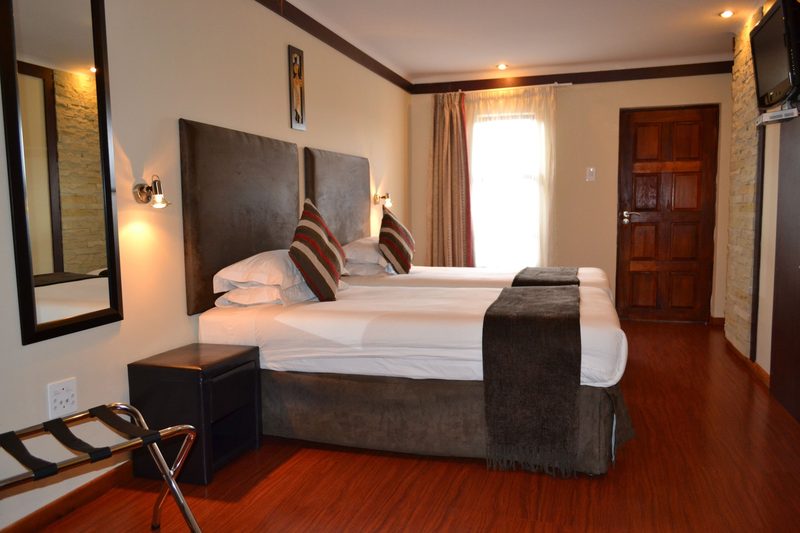
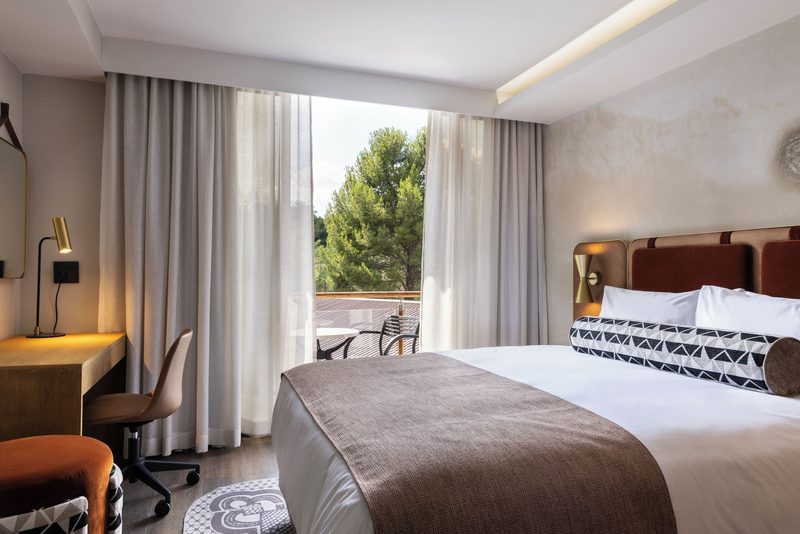
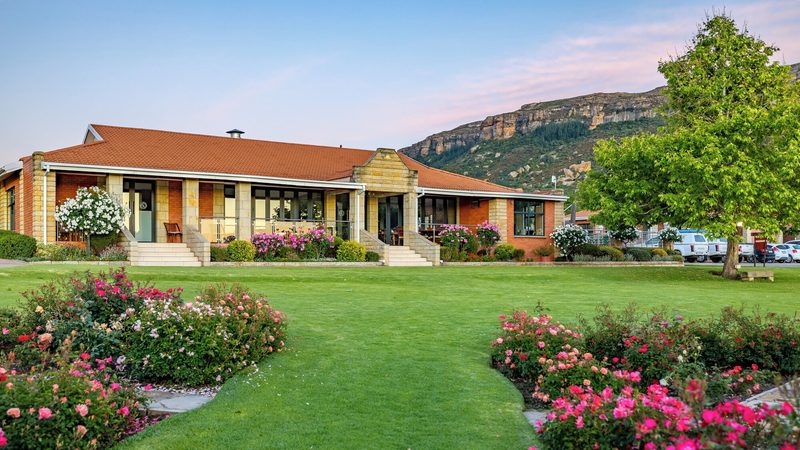
Where to Stay in Lesotho in February
Hand-picked hotels across price tiers for February travellers.
Packing Checklist
Bookmark this page — your progress is saved between visits
Need the full list with shopping links?
Climate-specific gear, brand recommendations, and what to leave at home.
View Lesotho Packing List →Essential Tips
Insider knowledge and common pitfalls to avoid
Insider Knowledge
The Basotho blanket is not a souvenir. It is a social signal. If you buy one, and you should because they are exceptional wool-and-mohair textiles, wear it draped over your shoulders the way locals do rather than folded under your arm. People in the highlands will treat you differently, with visible warmth, when you respect the blanket as clothing rather than a wall hanging. The heaviest ones, designed for winter, feel like wearing a weighted blanket standing up. For February, the lighter-weight versions are more practical but still carry the same cultural weight.
The best time to drive any highland route is between 6 AM and noon. Not for the light, though it is gorgeous in the morning. But because the afternoon storms that build over the Maluti Mountains by 1 or 2 PM turn unpaved roads from merely difficult to dangerous within an hour. Plan your drives to reach your destination by lunch, and spend the afternoons under a roof or at a lodge. Locals know this rhythm instinctively and you should adopt it immediately.
Lesotho's fuel stations outside Maseru are unpredictable. A station that was open last week may be dry this week, and the distance between them in the highlands can exceed 100 km (62 miles) of mountain road that burns fuel fast. Fill your tank in Maseru, carry a jerry can for highland trips, and never pass an open station without topping up. This is not overcaution. It is how everyone who drives the highlands regularly operates.
The language barrier melts if you learn three Sesotho phrases: 'Lumela' (hello), 'Kea leboha' (thank you), and 'Ke kopa' (please or I ask for). English is widely understood in Maseru and district towns. But in highland villages the effort to speak even broken Sesotho changes the tenor of every interaction. The herd boys you meet on mountain trails, some of them teenagers managing cattle herds alone for weeks, will go from wary to grinning if you greet them in their language.
Avoid These Mistakes
Treating Lesotho as a day trip from Durban or Johannesburg. You can technically enter through Sani Pass or the Maseru Bridge border and turn around by evening. But doing so means you saw a border post and a road, not a country. Lesotho reveals itself in the highlands, and the highlands require at least three nights to reach, explore, and return from without rushing through the scenery you came to see.
Renting a standard sedan. The car rental counters in Maseru will happily hand you a two-wheel-drive hatchback, and it will be fine for the city and the paved road to Katse Dam. It will not be fine for anything else. The moment you leave tarmac, and you will need to leave tarmac to see anything worth the trip, you need a 4x4 with genuine clearance. River crossings, rutted clay tracks, and mountain grades above 20 percent are standard, not exceptional, on highland routes.
Underestimating how cold the highlands get after rain. Maseru's 27°C (80°F) high is measured in the lowlands. At 2,500 m (8,202 ft) after an afternoon thunderstorm, the temperature can drop below 10°C (50°F) in minutes, and if you are caught in wet cotton clothing at altitude with wind, hypothermia is a real possibility, even in February. Layers are not optional. They are the difference between an adventure and an emergency.
Ready to plan your trip to Lesotho?
Now that you've got the research covered, here's where to go next.
Explore More Activities in Lesotho
Didn't see anything interesting yet?
Browse Viator's full catalog of tours, day trips, food experiences, and private guides in Lesotho.
See All Lesotho Tours on Viator