Things to Do in Lesotho in December
December weather, activities, events & insider tips
Low Season · Budget Friendly
December Weather in Lesotho
Long-run averages for December in Maseru
82°F (28°C)
High Temp
55°F (13°C)
Low Temp
3.7 inches (94 mm)
Rainfall
59%
Humidity
14
Sunny-Day UV
⚠ Afternoon thunderstorms in the highlands bring frequent and dangerous lightning. Exposed ridgelines and plateaus above 2,500 m (8,200 ft) become high-risk zones from roughly 1 PM onward. Descend to lower ground or shelter before storms arrive. Lightning deaths in Lesotho's highlands are not rare. Take cover early.
⚠ Flash flooding on unpaved highland roads can occur within an hour of heavy rain. River crossings that were safe in the morning may become impassable by afternoon, potentially stranding travelers on the wrong side overnight. Never attempt to cross a flooded river on foot or in a vehicle if you cannot see the road surface beneath the water. Wait it out.
⚠ UV exposure at Lesotho's altitude is significantly more intense than at sea level. At 2,500 m (8,200 ft) and above, even a partly cloudy day can produce severe sunburn in under thirty minutes of unprotected exposure. This catches travelers off guard because the temperature may feel comfortable while the radiation is doing damage. Wear sunscreen.
Making the most of December in Lesotho? Browse tours and activities in Lesotho on GetYourGuide.
Is December Right for You?
Weigh the advantages and considerations before booking
Advantages
- + Lesotho's highlands turn an almost electric green in December, with summer rains feeding waterfalls that spend the dry winter months as thin trickles. Maletsunyane Falls, a 192 m (630 ft) single drop near Semonkong, runs at full force. The roar carries across the gorge before you even reach the viewing ledge. The landscape looks nothing like the parched browns of August. This is the month the Maloti Mountains earn their reputation.
- + December daylight stretches past 7 PM. You get long afternoons for highland pony treks and hikes that would feel rushed in the short winter days. Sunrise hits around 5:15 AM, and the early mornings before the clouds build are some of the clearest sky you will see anywhere in southern Africa. The air at 2,500 m (8,200 ft) has a sharpness to it. Colours look slightly oversaturated.
- + This is one of the few months when most highland passes and dirt roads are reliably open. Time your driving for mornings before the afternoon storms roll in. The Sani Pass road from the South African side, the A3 toward Mokhotlong, and the route to Katse Dam are all passable in a proper 4x4. You cannot count on this during winter snowfalls that close high-altitude routes for days at a stretch.
- + Accommodation pricing in Lesotho remains relatively affordable compared to neighbouring South Africa, even in December. Johannesburg and Cape Town see peak-season holiday surcharges. Lesotho's lodges and guesthouses tend to hold steady. The country simply does not get the same holiday crush. You are more likely to have a trail, a waterfall viewpoint, or an entire valley to yourself.
Considerations
- − Afternoon thunderstorms in December are not gentle. They build fast over the highlands around 1 PM, often arriving as a dark wall of cloud from the west. They bring lightning that is dangerous at altitude. If you are on exposed ridgelines or open plateaus above 2,800 m (9,186 ft), you need to be heading down by noon. The storms usually pass within an hour. They can dump enough rain to turn dirt tracks into mud within minutes, and the temperature drops sharply while they last.
- − Road conditions in the highlands deteriorate with every storm. The network outside Maseru is largely unpaved, and December rains carve ruts and washouts that can strand a two-wheel-drive vehicle. River crossings that were ankle-deep in the morning may be impassable by late afternoon. A 4x4 with decent ground clearance is not optional for anything beyond the paved A-roads. It is the baseline requirement. Carry a tow rope and a basic recovery kit.
- − Maseru itself offers limited infrastructure for travelers. The capital functions more as a transit point than a destination, and services thin out rapidly once you leave it. Mobile signal is patchy to nonexistent in much of the highlands. ATMs outside Maseru are unreliable. Medical facilities beyond the capital are basic at best. You need to be somewhat self-sufficient. Carry cash in Maloti or South African Rand. Pack a basic first-aid kit. Let someone know your route if you are heading into remote areas.
Short on time in December? See day trips around Lesotho on GetYourGuide.
Best Activities in December
Top things to do during your visit
Highland Pony Trekking from Basotho Villages
The Basotho pony is not a tourist gimmick. It is how people in the highlands still move between villages where no road goes. Riding one across the summer-green plateaus above 2,500 m (8,200 ft) is the single best way to understand what Lesotho is. December turns the high grasslands into something that looks almost Irish, except the air is thinner, the sky is enormous, and the silence between villages is the kind of silence most people have never experienced. The ponies are sure-footed on steep, rocky trails where a horse would balk. They know the paths better than you do. Multi-day treks through the central highlands connect stone-walled villages where families will feed you papa, stiff maize porridge served with moroho, the wild greens gathered from the hillsides. You sleep in rondavels with the smell of woodsmoke and thatch overhead. The afternoon storms mean you should plan to be at your overnight stop by early afternoon. This gives the trek a natural rhythm: ride in the cool morning light, arrive as the clouds build, eat and rest while the rain hammers the tin roofs, then walk out into the washed evening air.
Booking Tip: Book through established community tourism operators at least two weeks ahead for multi-day treks. Ponies and guides need to be arranged from specific villages. Single-day rides from towns like Malealea or Semonkong can sometimes be arranged on shorter notice. Confirming a few days early is safer. Look for operators that route fees directly to village communities. See current options in the booking section below.
Maletsunyane Falls and Semonkong Gorge
Maletsunyane Falls drops 192 m (630 ft) into a basalt gorge near the town of Semonkong. In December, fed by the summer rains, the volume of water turns what is already one of Africa's tallest single-drop waterfalls into something that rattles your chest from the viewpoint. The mist plume rises high enough to catch the afternoon light and throw rainbows across the gorge walls. The hike down to the base of the falls takes roughly two hours from Semonkong. It follows a steep, rocky trail that gets slippery after rain. Proper hiking boots with ankle support are non-negotiable. Not sandals. Not trainers. The gorge itself is cool and damp even when Maseru is pushing 28°C (82°F), and the spray near the base soaks you within minutes. For those with the nerve, commercial abseiling operations run descents down the cliff face beside the falls, a 204 m (669 ft) single-rope drop that is currently among the longest commercial abseil routes in the world. December's water volume makes the experience more intense than the dry-season version. The operators will cancel if lightning is in the area. Aim for morning slots.
Booking Tip: Abseil operators near Semonkong require advance booking. Christmas week is peak season. South African adventure travelers flood in then. Book at least a week ahead. Confirm weather-cancellation policies before you pay. The falls viewpoint hike needs no booking. A local guide from Semonkong helps. The trail becomes far easier to follow. Check current guided options below.
Katse Dam and the Highlands Water Project
Katse Dam sits at 2,060 m (6,759 ft). The Maloti Mountains cradle this reservoir. It looks less like a dam. A fjord dropped into African highlands fits better. The drive from Maseru takes roughly four hours. The A3 winds through mountain passes. The road clings to mountainsides. Views open into valleys stretching to the horizon. In December, those valleys turn green. Cloud shadows drift across them. The reservoir nears its highest levels then. Spring and early summer rains fill it. The dam wall is a double-curvature arch. It rises 185 m (607 ft). The engineering tour takes you inside. The interior is cool. It echoes. It smells of wet concrete and mountain water. The surface view cannot match this scale. The real reward lies outside. The Bokong Nature Reserve sits nearby. Hiking trails cross high-altitude wetlands. Wildflowers carpet the ground in December. Yellows and purples spread everywhere. They look almost cultivated. They are entirely wild.
Booking Tip: The dam visitor centre runs tours on schedule. Confirm availability a few days ahead. Group sizes are limited. Disappointment waits for the unprepared. Start the drive from Maseru early. Afternoon storms make the passes nerve-wracking. Most travelers stay overnight nearby. The round trip in one day is punishing. See guided tour options below.
Sani Pass Border Crossing and High Plateau
The Sani Pass road climbs hard. It starts at 1,544 m (5,066 ft) in KwaZulu-Natal. It ends at 2,876 m (9,436 ft) at the Lesotho border. Over 1,300 m (4,265 ft) of altitude gained. The dirt switchback track is legendary. One of the great 4x4 routes in southern Africa. In December, the pass stays open. Winter snow closures are not a concern. Rain changes everything. The surface becomes treacherous. Loose gravel over wet rock. Steep gradients without mercy. Drop-offs lack barriers. The reward waits at the top. The roof of southern Africa. A vast, treeless plateau. Wind carries the smell of wet grass. Ground-nesting birds call. Sheep bleat from Basotho herding camps. The temperature drops hard here. Ten to twelve degrees Celsius below Maseru. Eighteen to twenty-two degrees Fahrenheit. You might leave Underberg in shorts. You will need a fleece at the top. The border post settlement serves food and drink. The views back into KwaZulu-Natal justify the drive. White knuckles and all.
Booking Tip: Lack 4x4 experience? Book a guided convoy. Operators run from the KwaZulu-Natal side. Do not attempt this pass alone. The gradients demand experience. Low-range gearing is essential. Tours depart early morning. They return by afternoon. Book at least a week ahead in December. Christmas holiday demand from South Africa fills slots fast. Check the booking section below.
Thaba Bosiu Cultural and Historical Circuit
Thaba Bosiu rises 24 km (15 miles) east of Maseru. King Moshoeshoe I established his stronghold here in 1824. This flat-topped mountain is sacred ground. The closest thing Lesotho has. The climb to the summit takes about forty minutes. The path was once the only approach. The fortress repelled multiple attacks. Boer and British forces both failed. The reason becomes clear at the top. Near-vertical sandstone cliffs surround the plateau. Sight lines extend for kilometres. The surrounding lowlands lie exposed below. In December, the hilltop stays green. Wind cools the climb. Morning light turns the cliffs amber. Royal graves still sit at the summit. Families tend them. Guides leading visitors up have generational ties. Their narration carries emotional weight. Printed signs cannot match this. The visitor centre at the base holds a small museum. It covers Moshoeshoe's diplomacy. That diplomacy kept Lesotho independent. South Africa did not absorb it. Spend time there before climbing.
Booking Tip: Guided tours from Maseru include transport. A local guide knows the historical detail. Book a day or two ahead. Use the visitor centre. Or try operators listed below. The climb is moderate. Sun exposure is real. Start early in December. Combine with Ha Kome cave houses. They sit about an hour further east. Basotho families still live there. Their dwellings are built into sandstone overhangs.
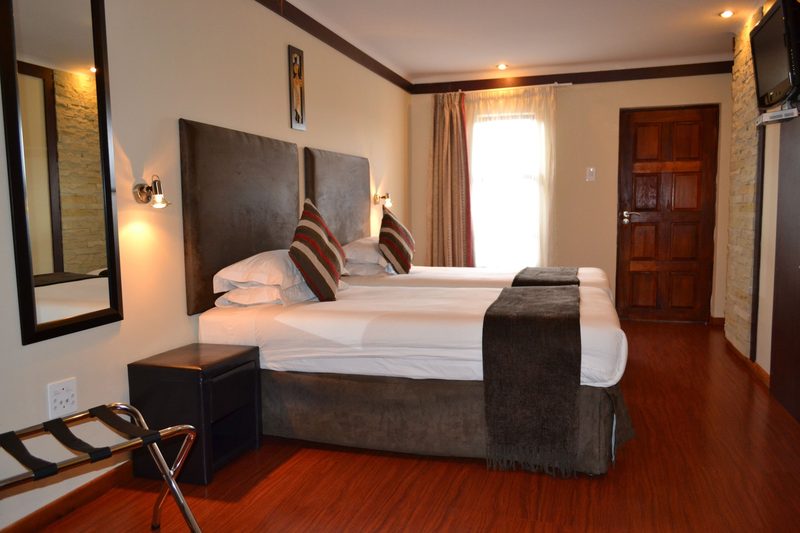
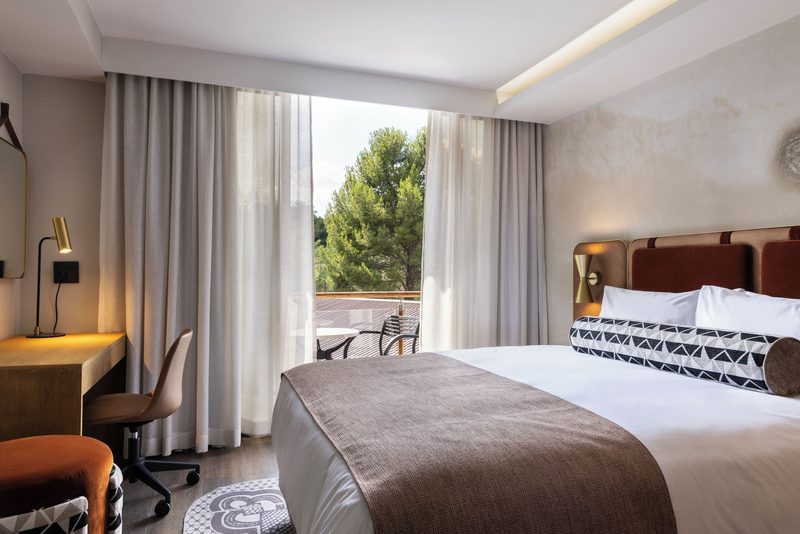
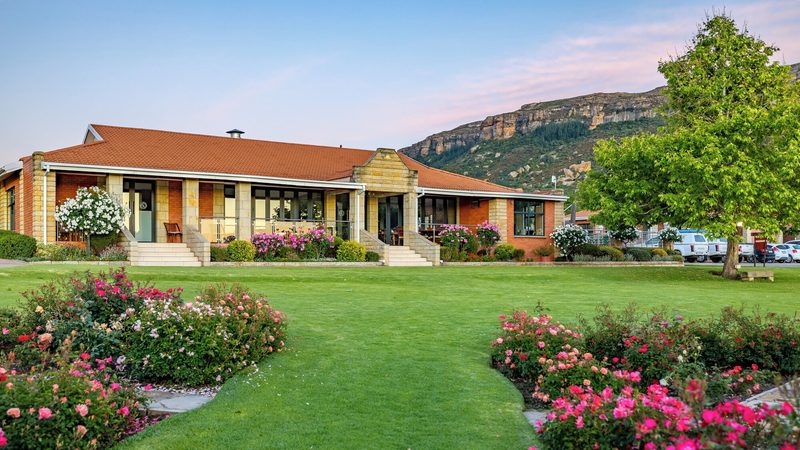
Where to Stay in Lesotho in December
Hand-picked hotels across price tiers for December travellers.
Public Holidays in December
Dates that affect opening hours, transport and crowds
Christmas Day
Observed nationwide as a public holiday.
St. Stephen's Day
Known in English as Boxing Day. Observed nationwide as a public holiday.
Christmas Day
Observed nationwide as a public holiday.
St. Stephen's Day
Known in English as Boxing Day. Observed nationwide as a public holiday.
Christmas Day
Observed nationwide as a public holiday.
St. Stephen's Day
Known in English as Boxing Day. Observed nationwide as a public holiday.
Packing Checklist
Bookmark this page — your progress is saved between visits
Need the full list with shopping links?
Climate-specific gear, brand recommendations, and what to leave at home.
View Lesotho Packing List →Essential Tips
Insider knowledge and common pitfalls to avoid
Insider Knowledge
December is summer in the Southern Hemisphere, not winter. A surprising number of Northern Hemisphere travelers search for what Lesotho is like in winter and arrive in December expecting cold. They get thunderstorms and 28°C (82°F) heat in the lowlands instead. Pack for warm, wet conditions, not for snow.
The Basotho blanket is not a souvenir. It is functional clothing that locals wear year-round, and in the highlands during a December storm it becomes obvious why. The heavy woven blankets sold at trading posts in towns like Semonkong and Mokhotlong are worth buying not as wall hangings but as genuine travel gear: they work as a ground cover for picnics, a wrap when temperatures drop at altitude, and a sleeping layer in rondavels where bedding is thin. The ones with the maize-cob or cabbage-leaf patterns are the most traditional.
Start every drive early. By early, I mean leaving Maseru by 6 AM if you have a long highland route. The mountain passes are safest in morning light before the storms build, and the unpaved roads that felt manageable at 8 AM can become a mud-skating exercise by 3 PM. Plan to be at your destination by early afternoon and treat the rest of the day as rest time. The rhythm of the country works this way naturally, and fighting it leads to stuck vehicles and missed turnoffs in poor visibility.
Do not underestimate altitude effects. Maseru sits at roughly 1,600 m (5,249 ft), and most highland destinations sit between 2,200 m (7,218 ft) and 3,000 m (9,843 ft). If you are arriving from sea level, the first day or two at altitude can bring headaches, shortness of breath on inclines, and disrupted sleep. Drink water aggressively, avoid alcohol on the first night, and plan a lighter activity day when you first reach the highlands rather than launching straight into a strenuous trek.
Avoid These Mistakes
Attempting highland drives in a two-wheel-drive rental car. The paved roads between Maseru and a few major towns are fine for a sedan. But anything beyond that (the road to Semonkong, the passes to Mokhotlong, the approach to Katse Dam) demands a 4x4 with proper ground clearance. December rains make this non-negotiable. Travelers who try it in a hatchback end up stuck, and recovery services in remote areas are essentially nonexistent.
Treating Maseru as the destination rather than the gateway. The capital has practical services (banks, supermarkets, fuel stations) but it is not where the country reveals itself. Travelers who spend three days in Maseru and skip the highlands miss the entire point. Use Maseru for a night on arrival to stock up and sort logistics, then get into the mountains.
Ignoring the afternoon storm pattern and scheduling outdoor activities for the full day. In December, the weather window for hiking, pony trekking, and pass driving is roughly 6 AM to noon. After that, thunderstorms build rapidly and lightning at altitude is a genuine safety risk, not an inconvenience. Plan the ambitious stuff for mornings and keep afternoons for indoor activities, short local walks, or simply resting.
Ready to plan your trip to Lesotho?
Now that you've got the research covered, here's where to go next.
Explore More Activities in Lesotho
Didn't see anything interesting yet?
Browse Viator's full catalog of tours, day trips, food experiences, and private guides in Lesotho.
See All Lesotho Tours on Viator