Things to Do in Lesotho in November
November weather, activities, events & insider tips
Low Season · Budget Friendly
November Weather in Lesotho
Long-run averages for November in Maseru
78°F (26°C)
High Temp
53°F (12°C)
Low Temp
3.1 inches (79 mm)
Rainfall
62%
Humidity
13
Sunny-Day UV
⚠ Afternoon thunderstorms in the highlands bring frequent lightning. Lesotho's open grassland terrain above 2,000 m (6,560 ft) offers no natural shelter, making exposed ridgelines and summits dangerous during storms. Plan all highland hikes as morning-only activities and descend to lower ground by early afternoon. Start early. Finish by noon.
⚠ Hail accompanies some November storms and can arrive with little warning. Hailstones large enough to bruise are not uncommon at high altitude, and for anyone caught in the open, a hardshell jacket and pack serve as the only available protection. Pack rain gear. Expect surprises.
⚠ River crossings on highland tracks can rise rapidly after upstream rain, even when conditions are dry at your location. Never attempt a ford that was not passable an hour ago without checking again, and never cross on foot if the water is above knee height or visibly rising. Wait it out. Stay alive.
Making the most of November in Lesotho? Browse tours and activities in Lesotho on GetYourGuide.
Is November Right for You?
Weigh the advantages and considerations before booking
Advantages
- + The highlands explode into saturated green after November's first rains. Bleached winter grass gives way to rolling fields that stretch to every horizon. This is Lesotho at peak photogenic. Late afternoon light hits different here. Storm clouds stack behind the Maluti peaks and create drama that makes dry season look dull.
- + November occupies the gap between bone-cold highland winter (June and July drop below freezing at altitude) and January's peak wet season, which dumps 4.5 inches (114 mm) on Maseru alone. The average high of 78°F (26°C) allows full days outdoors without January's exhausting lowland heat. For trekking and riding, this is likely the year's best temperature window.
- + Tourism pressure in Lesotho stays negligible even at peak. November is quiet. The country draws a fraction of neighboring South Africa's visitors. You can drive mountain passes, visit Thaba Bosiu, or ride ponies through highland villages without seeing another foreign traveler for hours. Accommodation is almost never a constraint.
- + Rates on lodges, guesthouses, and guided treks sit at annual baseline in November. No high-season premium applies. The Lesotho loti, pegged one-to-one with the South African rand, currently runs favorably against major currencies. This makes Lesotho one of southern Africa's more affordable destinations for what it delivers.
Considerations
- − November kicks off Lesotho's thunderstorm season. Afternoon storms hit the highlands with startling speed. Above 2,500 m (8,200 ft), they turn violent: lightning, hail, near-zero visibility in minutes. Storms build after midday. Morning starts are not optional. They are mandatory for mountain safety.
- − Rains transform Lesotho's unpaved mountain roads. Dirt tracks linking highland villages, including roads to Semonkong and parts of the route toward Katse Dam, become slick, rutted, occasionally impassable after heavy downpours. A 4x4 with decent clearance shifts from advisable to essential. Public minibus taxis face delays and cancellations when roads wash out.
- − Lesotho's tourism infrastructure stays sparse. Outside Maseru and select mountain lodges, accommodation, food, and fuel thin rapidly. November's rains sharpen this. Seasonal mountain camps and lodges may limit staffing or supplies. Planning and self-sufficiency matter more here than almost anywhere else in southern Africa.
Short on time in November? See day trips around Lesotho on GetYourGuide.
Best Activities in November
Top things to do during your visit
Highland Pony Trekking from Basotho Villages
November is arguably the finest month for Lesotho's signature experience. The Basotho pony, a compact, sure-footed breed from colonial traders' horses centuries ago, remains the original highland transport. Riding through green November grasslands at 2,400 m (7,900 ft) beats any trail ride elsewhere. Trails pass sandstone overhangs with San rock art. Streams run just high enough to splash cold water up your shins. Basotho herdboys wrapped in traditional blankets wave from ridgelines. The air carries wet grass and woodsmoke from rondavels. At 78°F (26°C), riding works in a light layer. Pack a windproof jacket for exposed ridges where altitude chills the breeze. Morning rides before 11 AM dodge afternoon storms entirely. Treks range from two hours to multi-day village routes. Ponies handle terrain better than you will on foot. Book through licensed community-run operators at least a week ahead. Confirm trail conditions after recent rains. See current options in the booking section below.
Booking Tip: Book five to seven days ahead through established community tourism operators. Confirm trail conditions after heavy rain in the preceding 48 hours. Multi-day treks need advance arrangement for village overnight stays. Bring your own water purification. Highland water looks clean but lacks reliable treatment.
Thaba Bosiu Cultural and Historical Excursion
Thaba Bosiu, the flat-topped sandstone mountain about 24 km (15 miles) east of Maseru, is where King Moshoeshoe I founded the Basotho nation in the 1820s. He repelled successive invasions from a summit attackers simply could not take. November climbing means optimal conditions: morning trails stay dry enough to grip, base temperature sits around 78°F (26°C), summit grass turns vivid green. Moshoeshoe's royal village remains at the top, marked by low stone walls and graves. Local guides explain these with detail and personal investment no printed guide matches. Wind funnels up cliff faces. You feel why this position was unassailable. The climb is moderate, roughly 45 minutes up a well-worn path gaining about 300 m (980 ft). November's clear mornings reveal views north across lowlands to the Caledon River valley and South African border. Arrive early. You will likely have the summit alone. Current guided tours are available through the booking section below.
Booking Tip: Book guided tours three to five days ahead for English-speaking guides who know the oral histories. The climb is moderate but exposed. Start before 9 AM to avoid afternoon heat and storms. Wear sturdy shoes with ankle support. Water and sun protection are essential. No shade covers the ascent.
Maletsunyane Falls and Semonkong Gorge Hiking
Maletsunyane Falls drops 192 m (630 ft) into a basalt gorge near the village of Semonkong, making it one of the highest single-drop waterfalls in southern Africa. November is when the falls begin to fill properly after the dry winter months. By mid-November, the first sustained rains have fed the Maletsunyane River enough that the cascade throws a visible mist plume you can feel on your face from the gorge rim, and the roar carries across the valley in a way the trickle of September simply cannot match. The hike down into the gorge takes about two hours on a steep, switchbacking trail that becomes slippery after rain, so dry morning conditions and proper boots are non-negotiable. The gorge floor smells of wet moss and the mineral tang of spray-soaked rock. For those who want the adrenaline version, the abseil down the cliff face beside the falls operates in November when conditions allow, though rain cancellations are more frequent than in dry months. The drive from Maseru to Semonkong covers roughly 120 km (75 miles) and takes about three hours on a road that degrades significantly in its final stretch. A vehicle with clearance handles it. But check conditions locally before setting out.
Booking Tip: The gorge hike requires no booking but having a local guide from Semonkong is strongly recommended for route-finding, after rain when the trail becomes ambiguous. For the abseil, book at least a week ahead through the lodge that operates it and confirm weather-dependent availability the morning of. Allow a full day including the drive from Maseru.
Katse Dam and Highlands Scenic Drive
The drive from Maseru to Katse Dam is roughly 200 km (124 miles) of mountain road that climbs through some of the most dramatic scenery in southern Africa, topping out above 3,000 m (9,800 ft) at the highest passes before descending to the dam itself. In November, the mountains flanking the road are striped with wildflowers, the streams running through the valleys are audibly full, and the cloud formations over the peaks change fast enough that the landscape looks different every twenty minutes. Katse Dam, the centrepiece of the Lesotho Highlands Water Project, holds back a reservoir that by November is beginning to refill and stretches into the valleys like a highland fjord. The dam wall itself is an engineering spectacle, a 185 m (607 ft) high double-curvature arch set into a gorge so narrow that the scale only registers when you stand at the base and look up. Guided tours of the dam infrastructure are available and interesting for anyone curious about how Lesotho exports water to South Africa's Gauteng province. The drive is the real experience, though, and November's conditions are ideal if you travel in the morning before the afternoon rains make the unpaved sections treacherous. The botanical garden near the dam preserves highland plant species and is lush in early summer.
Booking Tip: Dam tours can be arranged on arrival but calling ahead a few days is advisable as staffing is limited. Allow a full day for the round trip from Maseru, and do not attempt it without a 4x4 if rain has fallen in the preceding 24 hours. Fuel up in Maseru as reliable fuel stops are scarce on the highland road. Carry food and water for the day.
Dinosaur Footprint Sites in the Lowlands
Lesotho sits on some of the richest Triassic and Jurassic fossil beds in Africa, and the dinosaur footprint sites scattered through the lowlands and foothills are the kind of experience you cannot replicate anywhere else on the continent at this accessibility level. The most visited sites near Moyeni (Quthing) and Leribe preserve clear three-toed theropod prints pressed into sandstone slabs that have been exposed for roughly 200 million years. In November, the low morning sun raking across the stone at a sharp angle throws the prints into the kind of relief that makes them unmistakable, and the surrounding grass is short enough from the winter that the approach paths are easy to walk. Community guides at most sites know the prints intimately and will point out details, individual toe pads, drag marks, overlapping tracks suggesting a group, that you would walk past on your own. The warmth of the sandstone under your hand, radiating stored heat even at 7 AM, is a small sensory detail that connects you to the geological scale of what you are looking at. These sites are rarely visited in November and you will almost certainly be the only person there.
Booking Tip: Community guides are available at most sites and their knowledge is essential. No advance booking is typically required. But arriving before midday ensures the best light for seeing the prints and avoids afternoon storms. Access roads to some sites are unpaved, so check conditions after rain. Sites near Moyeni and Leribe are the most accessible from main roads.
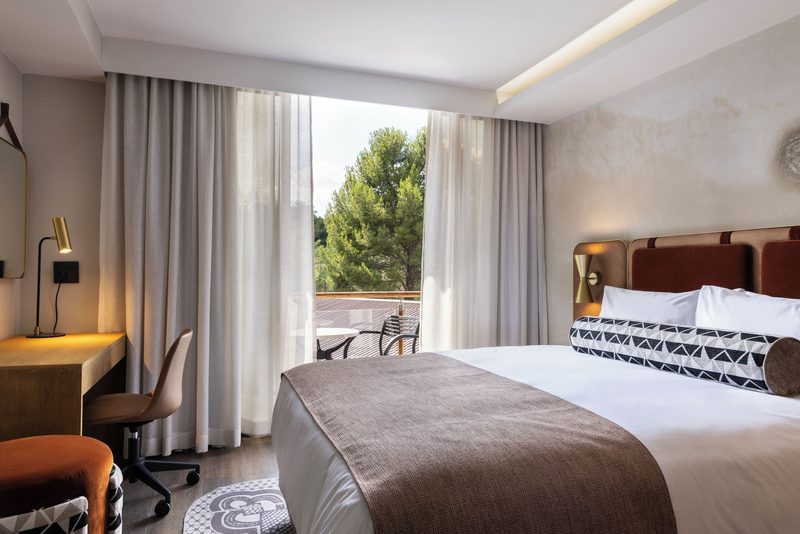
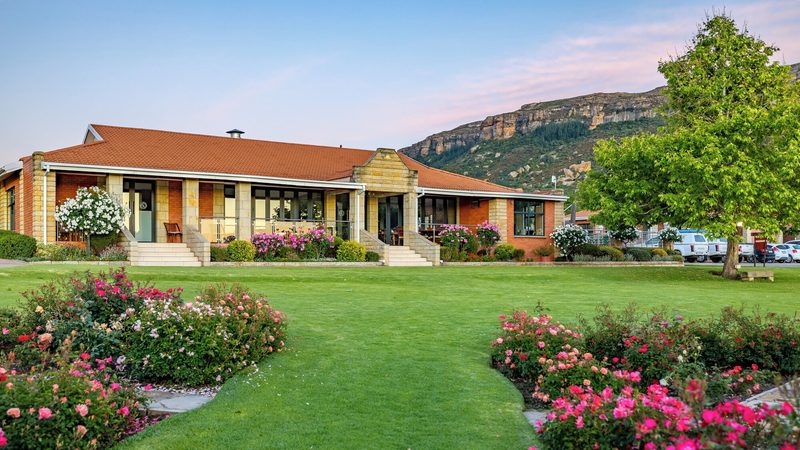
Where to Stay in Lesotho in November
Hand-picked hotels across price tiers for November travellers.
Packing Checklist
Bookmark this page — your progress is saved between visits
Need the full list with shopping links?
Climate-specific gear, brand recommendations, and what to leave at home.
View Lesotho Packing List →Essential Tips
Insider knowledge and common pitfalls to avoid
Insider Knowledge
Learn a few Sesotho words. November is Pulungoana. Try Lumela (hello) and kea leboha (thank you). Use them with village elders or herdboys on mountain paths. The warmth of response beats English every time. The Basotho notice effort immediately.
Understand the blankets. Lesotho's heavy wool wraps with distinctive patterns are functional garments, not souvenirs. Designs denote status, clan, and occasion. The Seanamarena blanket marks important ceremonies. The Victoria pattern is everyday wear. Ask about someone's blanket. Maseru market weavers will explain the symbolism. Show genuine interest.
Respect November rains. Dirt roads become dangerous. Red clay turns slick as ice when wet. Mountain pass drop-offs are unguarded. Basotho drivers stop when conditions turn. Treat this as authoritative information. If your host says a road is not passable, believe them.
Eat the November moroho. Traditional Basotho cuisine peaks now. Wild spinach-like greens gathered from hills cook dark and silky with onions. They appear alongside papa, the stiff maize porridge that anchors every meal. November moroho carries a peppery, slightly bitter edge that dried winter versions lack. Ask at any village homestay. Eat with your hands. Pull papa. Scoop greens. Match the table.
Avoid These Mistakes
Respect the altitude. Maseru sits at 1,600 m (5,250 ft). Most attractions climb higher. Passes exceed 3,000 m (9,800 ft). Afriski nears 3,200 m (10,500 ft). Visitors flying from sea level who drive straight into the highlands blame jet lag for headaches, shortness of breath, and fatigue. Spend your first night in Maseru. Hydrate aggressively. Gain altitude gradually over two days.
Ignore GPS distance estimates. The 200 km (124 miles) from Maseru to Katse Dam reads as three hours. Reality demands five to six hours on winding mountain roads with livestock crossings, unpaved sections, and November rain delays. Every distance in Lesotho takes roughly twice as long as expected. Build that buffer into your itinerary. This is not caution. This is accuracy.
Give Lesotho proper time. Do not treat it as a day trip from South Africa. Border crossings at Maseru Bridge and Caledonspoort are straightforward but not instant. The interior, where genuine experiences live, needs three to four nights minimum. Drive in from Bloemfontein for an afternoon, poke around Maseru, drive back, and you have seen nothing. The fuss is in the mountains. The mountains demand commitment.
Ready to plan your trip to Lesotho?
Now that you've got the research covered, here's where to go next.
Explore More Activities in Lesotho
Didn't see anything interesting yet?
Browse Viator's full catalog of tours, day trips, food experiences, and private guides in Lesotho.
See All Lesotho Tours on Viator