Things to Do in Lesotho in January
January weather, activities, events & insider tips
Low Season · Budget Friendly
January Weather in Lesotho
Long-run averages for January in Maseru
82°F (28°C)
High Temp
57°F (14°C)
Low Temp
4.5 inches (114 mm)
Rainfall
66%
Humidity
14
Sunny-Day UV
⚠ Violent afternoon thunderstorms with frequent cloud-to-ground lightning are near-daily in the highlands from December through February. Exposed ridgelines and summits become extremely dangerous after midday, and all high-altitude hiking should be completed by early afternoon. Start early. Be off the peaks by noon.
⚠ Flash flooding in river valleys and at low-water crossings can occur with little warning when storms pass upstream. Never camp in or near a dry riverbed, and never attempt to cross a ford with flowing brown water regardless of how shallow it appears. Wait it out. The river drops. Eventually.
⚠ Highland UV intensity at altitudes above 2,000 m (6,560 ft) is significantly stronger than at sea level and can cause severe sunburn within 30 minutes of exposure even under partly cloudy skies. Pack sunscreen. Reapply often. The burn sneaks up fast.
Making the most of January in Lesotho? Browse tours and activities in Lesotho on GetYourGuide.
Is January Right for You?
Weigh the advantages and considerations before booking
Advantages
- + Months of summer rain transform the entire country into emerald green. Waterfalls like Maletsunyane near Semonkong thunder at full volume. January stands alone as the best month for landscape photography in Lesotho. Alpine wildflowers carpet the highlands above 2,500 m (8,200 ft). Rivers run clear between storms.
- + January brings the warmest sustained temperatures of the year. Multi-day pony treks and overnight camping become comfortable. Maseru's average high hits 28°C (82°F). Climb above 2,000 m (6,560 ft) and you drop to 18-20°C (64-68°F). You hike in natural air conditioning. The lowlands bake below.
- + Tourist numbers hit their lowest point of the warm months. Most international visitors chase the June-August dry season. Others come for Afriski's snow window. January leaves the highland passes open. Village homestays sit waiting. Trailheads belong to you alone.
- + Extended summer daylight stretches your working hours. Sunrise comes before 5:30. Sunset pushes past 19:00. You get nearly fourteen hours to cover ground. Mountain roads crawl even in perfect conditions. January demands every minute of light.
Considerations
- − Afternoon thunderstorms arrive with clockwork precision. Often by 14:00. At altitude they carry dangerous cloud-to-ground lightning. The Maluti Mountains rank among the highest-frequency lightning zones in southern Africa. Exposed ridgelines turn hazardous after midday. Seek shelter early.
- − Unpaved highland roads dissolve into thick red mud. River fords explode from ankle-deep to impassable within hours. Some passes close without warning. An August three-hour drive becomes six in January. Sometimes it becomes impossible. A proper 4x4 with high clearance is mandatory.
- − Flash flooding in narrow mountain valleys poses the gravest threat. Several drownings have struck at low-water crossings. The water looked manageable minutes before. A wall of brown water arrived from storms upstream. You cannot predict it by watching your own sky. Cross early. Cross fast.
Short on time in January? See day trips around Lesotho on GetYourGuide.
Best Activities in January
Top things to do during your visit
Highland Pony Trekking from Malealea or Semonkong
The Basotho pony is no tourist attraction. In January 2027 it remains the primary transport across much of highland Lesotho. Riding one through the valleys south of Malealea is raw travel. These ponies are compact, muscular, born at altitude. They navigate basalt ledges and swollen river crossings with unnerving calm. Your white-knuckle grip on the saddle feels faintly embarrassing. January valleys glow at their greenest. Wild grass reaches knee-height on hillsides. After afternoon storms clear, the air carries wet basalt and crushed wild sage. The scent stays with you. You ford streams running copper-brown with summer rain. You pass villages where smoke curls from rondavel chimneys. You sleep in round stone huts where night silence is so total you hear ponies pulling grass outside. Treks run from single day to five days deep into the highlands. January's long daylight lets you cover ground before weather builds. Book through Malealea or Semonkong operators at least two weeks ahead. Peak trekking season fills experienced guides fast. See current guided pony trek options in the booking section below.
Booking Tip: Book at least 14 days ahead for January departures. Confirm your operator provides rain gear. Confirm they have a weather-contingency plan for lightning. Multi-day treks demand reasonable fitness. The riding itself is not hard. Altitude above 2,400 m (7,874 ft) makes everything more tiring than expected. Current guided trek options appear in the booking widget below.
Maletsunyane Falls and Semonkong Gorge
Maletsunyane Falls drops 192 m (630 ft) in a single plunge. The basalt gorge sits near Semonkong village. The name means 'place of smoke' in Sesotho. In January you understand why. Summer rains push the Maletsunyane River to peak volume. The falls strike the pool with enough force to send permanent mist rising hundreds of metres up the cliff. You hear the falls before you see them. A low continuous roar builds as you walk the approach through wet grass. Gorge walls streak black and orange with mineral deposits. Swallows dart through spray. Air near the base drops several degrees. It carries the mineral smell of pulverised rock. The commercial abseil here ranks among the longest single-rope descents on the continent. 204 m (669 ft) of freefall alongside the water. January's full flow makes it more dramatic. It also makes it significantly wetter than the dry-season version. The walk to the viewpoint takes roughly 45 minutes from Semonkong village. Trail shoes handle it. The path gets slippery after rain. Go in the morning. By afternoon, storms may bury the falls entirely in cloud.
Booking Tip: The abseil operates year-round. January slots fill faster. The falls are at their most spectacular then. Book at least a week ahead. Confirm operators carry current safety certifications. The viewpoint hike needs no booking. Check the booking widget below for current Semonkong adventure options.
Katse Dam and Bokong Nature Reserve Drive
The drive from Maseru to Katse Dam covers roughly 180 km (112 miles) and takes the better part of a day on mountain roads that twist through some of the most dramatic scenery in southern Africa. Switchbacks carve into sheer cliff faces. Villages perch on ridgelines that look like they belong in a different century. In January, waterfalls pour off every rock face because the mountains are saturated with rain. Katse Dam itself is an engineering spectacle: a 185 m (607 ft) double-curvature arch dam holding back an artificial lake that stretches deep into the Maluti Mountains, part of the Lesotho Highlands Water Project that supplies water to South Africa's Gauteng province. The scale is hard to process until you stand on the dam wall and look down. Guided tours of the dam explain the engineering and take you inside the structure. The temperature drops sharply inside the concrete. The sound of water moving through the tunnels echoes in a way that is vaguely unsettling. Nearby Bokong Nature Reserve sits at around 2,800 m (9,186 ft) and in January its alpine wetlands are carpeted with wildflowers and tussock grass, with mist rolling through the valleys in the early morning. The road to Katse is paved but narrow and winding, and afternoon storms reduce visibility to near zero. Start early from Maseru. Plan to spend the night near the dam rather than attempt a same-day return.
Booking Tip: Dam tours run on a regular schedule but confirm availability ahead during January as staffing can be unpredictable. The drive itself is the experience. Allow a full day each way. Do not attempt it in a standard sedan. Current tour options including transport from Maseru appear in the booking widget below.
Thaba Bosiu Historical Mountain and Basotho Cultural Village
Thaba Bosiu, the Mountain at Night, is where King Moshoeshoe I held off Boer commandos, British columns, and Zulu raiding parties for decades in the nineteenth century, and climbing it in January you start to understand how. The flat-topped sandstone mesa rises about 350 m (1,148 ft) above the surrounding plains east of Maseru, and the footpath up follows the original defensive route through narrow clefts in the rock that a handful of warriors could hold against an army. January's heat makes the climb sweaty. Start before 8:00 while the sandstone is still cool underfoot and the light catches the dew on the grass. At the summit, the ruins of Moshoeshoe's royal village spread across a surprisingly large plateau, with grinding stones still embedded in the rock and the outlines of cattle kraals visible in the turf. The views stretch across the Caledon River valley into South Africa's Free State, and on a clear January morning before the afternoon clouds build, the light is extraordinary. It is golden and sharp, with thunderheads already stacking on the distant horizon. The cultural village at the base offers demonstrations of traditional Basotho crafts, and the sorghum beer served in communal pots is thick, slightly sour, and an acquired taste that grows on you by the third sip. A local guide is not technically required but makes the climb twice as valuable. They know which rock formations figured in which battles and which plants the healers still collect.
Booking Tip: Guided tours of Thaba Bosiu are available through cultural heritage operators and should be booked a few days ahead. The climb is moderate but exposed to sun. Bring water and a hat. January afternoons bring lightning, so plan to descend by noon. See current Thaba Bosiu tour options in the booking widget below.
Ts'ehlanyane National Park Forest Hiking
Ts'ehlanyane protects one of the last patches of indigenous Cheche forest in Lesotho. This is old-growth woodland at an altitude of around 2,000-2,600 m (6,560-8,530 ft) in the Maluti foothills northeast of Maseru, and in January the forest floor is damp and smells of decomposing bark and wild mint. The trees here are berg bamboo and Cheche (Leucosidea sericea), gnarled and silver-barked, draped with old man's beard lichen that drips after rain. Hiking trails range from short two-hour loops along the Tsoelikane River to full-day routes that climb above the treeline into alpine grassland where you might spot bearded vultures, lammergeiers, riding the thermals above the cliffs. January's green canopy and flowing streams make this the most beautiful month to visit, though the trails get muddy and river crossings can be tricky after heavy rain. The birding is excellent. Mountain pipit, Drakensberg prinia, and the orange-breasted rockjumper all breed in January and the males are in full display plumage. The park is relatively easy to reach compared to deeper highland destinations. It is roughly 90 km (56 miles) from Maseru on mostly paved roads, making it the best option for travelers short on time who still want to experience Lesotho's mountain ecology without a multi-day commitment.
Booking Tip: Entry permits are arranged at the park gate but accommodation inside the park should be booked well ahead for January as it is popular with South African holiday-makers. Day hikes need no guide but the longer routes above the treeline benefit from one, when afternoon weather moves in. Check the booking widget below for current options that include Ts'ehlanyane.
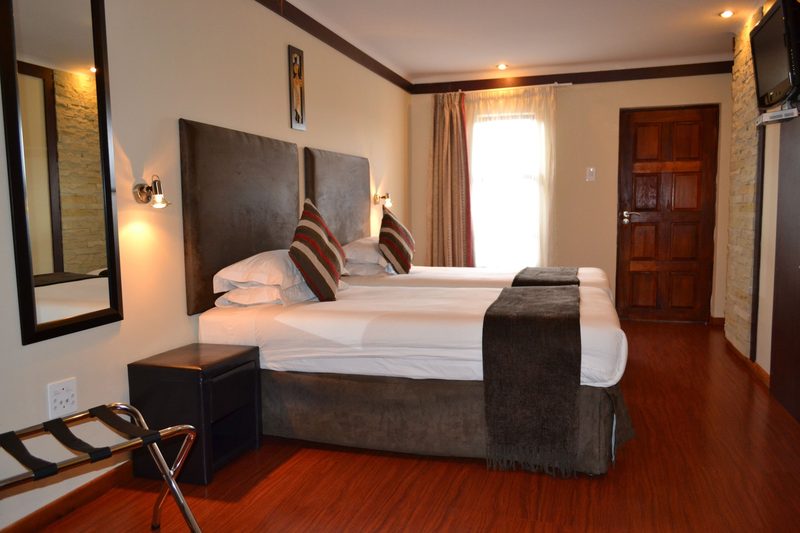
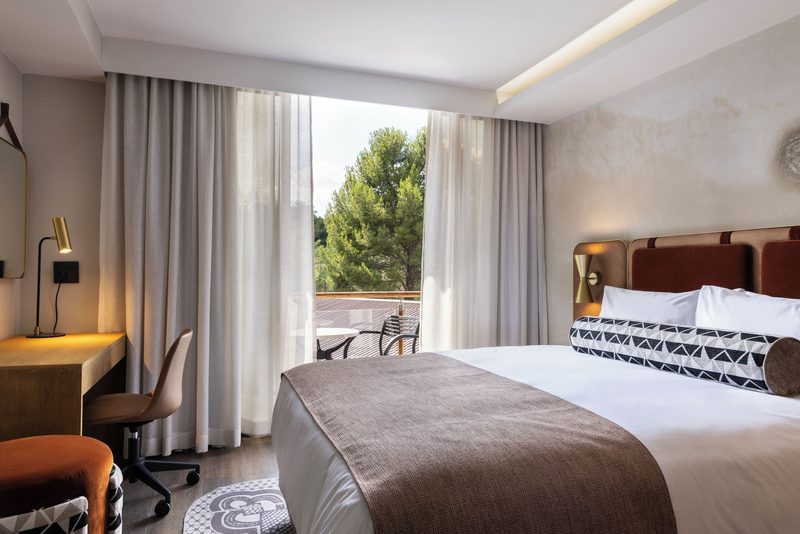
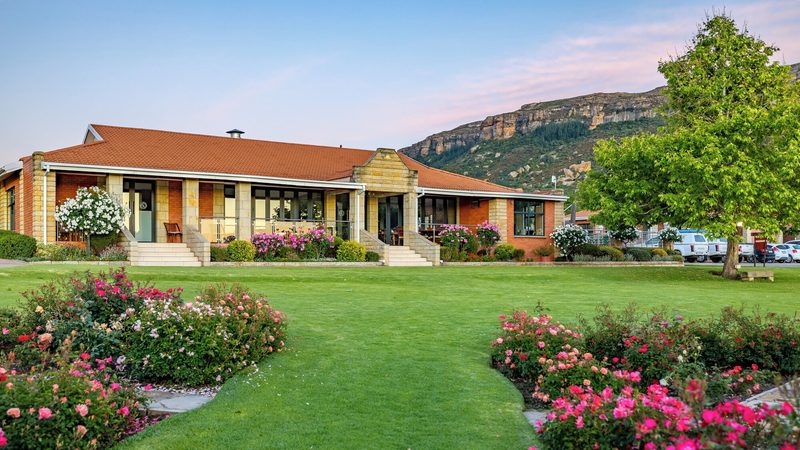
Where to Stay in Lesotho in January
Hand-picked hotels across price tiers for January travellers.
Public Holidays in January
Dates that affect opening hours, transport and crowds
New Year's Day
Observed nationwide as a public holiday.
New Year's Day
Observed nationwide as a public holiday.
Packing Checklist
Bookmark this page — your progress is saved between visits
Need the full list with shopping links?
Climate-specific gear, brand recommendations, and what to leave at home.
View Lesotho Packing List →Essential Tips
Insider knowledge and common pitfalls to avoid
Insider Knowledge
Basotho food in January centres on papa. Stiff maize porridge served in mounds alongside moroho, wild greens foraged from the hillsides that taste somewhere between spinach and kale but earthier, often cooked with tomato and onion over an open fire. In the highlands, ask for nama. Thick fresh cream skimmed from Basotho cattle milk. Spooned over papa it is simple and extraordinary. It is not on any restaurant menu because it is a home food. January is also stone fruit season. Peaches grow semi-wild across the lowlands and roadside sellers offer them in plastic bags for almost nothing. The trout from highland streams near Katse and Mokhotlong was introduced decades ago and is now a genuine local tradition. Pan-fried whole in cast-iron pots over coals, with the skin crisped and the flesh pink and firm from cold mountain water.
Lesotho's safety picture in January is shaped less by crime than by geography. Rural villages are overwhelmingly safe and hospitable. You are far more likely to be invited in for tea than to encounter any threat. Maseru requires standard urban awareness after dark, around the central bus station area. The real danger is the roads. Mountain passes without guardrails, livestock wandering onto blind corners, and in January specifically, fords that can go from crossable to lethal in the time it takes a storm to pass upstream. Never cross a flooded ford. Wait. The water drops fast. Patience is not optional here. It is survival.
The Basotho blanket is not a souvenir. It is daily wear across the country, and the patterns carry meaning. The Seanamarena design with the corncob motif is for chiefs and formal occasions. The Leribe with its geometric patterns is everyday. If you buy one, buy from traders in Maseru's main market or from village weavers, and wear it in the highlands. Locals will visibly appreciate it. These are thick wool blankets and they are surprisingly useful in January when highland evenings cool sharply.
Altitude affects you more than you expect even if you are fit. Maseru sits at roughly 1,600 m (5,249 ft), which is manageable. Day trips to Katse Dam or the Afriski area push you above 3,000 m (9,843 ft). At that height, January's warmth is deceptive. You feel fine until you try to walk uphill and your lungs burn and your head throbs. Spend at least two nights acclimatising in Maseru or the mid-altitude valleys before heading to the high passes. Drink more water than feels necessary. If you get a headache that paracetamol does not touch, descend. Altitude sickness is not something you push through.
Avoid These Mistakes
Attempting highland drives in a standard sedan. Lesotho's A-roads connecting Maseru to major towns are paved. Reaching almost any worthwhile destination (Semonkong, Katse Dam, Malealea, Sehlabathebe) requires stretches of unpaved mountain road that become mudslides in January rain. A high-clearance 4x4 is not a luxury recommendation. It is a mechanical requirement. Travelers who try it in a hatchback end up stranded at river crossings or stuck axle-deep in clay, often hours from any assistance.
Planning a same-day round trip from Maseru to anywhere in the highlands. Distances on the map look short. Semonkong is nominally 130 km (81 miles) from Maseru. Mountain roads, livestock, weather stops, and the simple fact that you cannot drive faster than 30 km/h (19 mph) on many stretches mean travel times triple compared to what your phone's map app predicts. Budget overnight stays near each destination. Rushing through Lesotho defeats the point of being there.
Underestimating January's sun because temperatures feel mild in the highlands. At 2,500 m (8,200 ft) the air is thinner, the UV considerably more intense, and the breeze creates a false sense of comfort while your skin quietly incinerates. Travelers from northern latitudes who would never skip sunscreen on a beach somehow forget it on a mountain hike, and end up with second-degree burns on ears, lips, and the backs of hands. Sunscreen, hat, and lip balm with SPF are not suggestions.
Ready to plan your trip to Lesotho?
Now that you've got the research covered, here's where to go next.
Explore More Activities in Lesotho
Didn't see anything interesting yet?
Browse Viator's full catalog of tours, day trips, food experiences, and private guides in Lesotho.
See All Lesotho Tours on Viator