Things to Do in Lesotho in March
March weather, activities, events & insider tips
Low Season · Budget Friendly
March Weather in Lesotho
Long-run averages for March in Maseru
77°F (25°C)
High Temp
53°F (12°C)
Low Temp
3.8 inches (97 mm)
Rainfall
65%
Humidity
11
Sunny-Day UV
⚠ Intense afternoon thunderstorms with dangerous lightning are common above 2,000 m (6,560 ft) from midday onward. Avoid exposed ridgelines. Skip open grassland. Stay off hilltops after 1 PM. Lightning fatalities in the Lesotho highlands are not rare.
⚠ Highland rivers and stream fords can rise rapidly after storms, potentially doubling in depth within two hours. A crossing that was ankle-deep in the morning can be waist-deep and dangerous by late afternoon. Always cross in the morning. Confirm conditions with local herders or your guide.
⚠ UV intensity at Lesotho's altitude is significantly higher than at sea-level destinations. Sunburn occurs faster than expected, including on overcast days when cloud cover at altitude filters less UV than lowland visitors assume. Reapply sunscreen frequently. Cover exposed skin during midday hours.
Making the most of March in Lesotho? Browse tours and activities in Lesotho on GetYourGuide.
Is March Right for You?
Weigh the advantages and considerations before booking
Advantages
- + Summer rain transforms the Maluti Mountains. Come March, they are green and sharp, with waterfalls at full force. Maletsunyane Falls near Semonkong drops 192 m (630 ft) in a single plunge. Mist rises back up the gorge. You feel it as spray on your face from the lookout above. The highland valleys hold a clarity that vanishes by May. Worth timing your visit.
- + March 11 marks Moshoeshoe Day, Lesotho's most important cultural holiday. The celebration happens at Thaba Bosiu with traditional horseback displays, Famo music, and elders wrapped in blankets gathering at dawn. This is the one day a year when the mountain fortress feels alive as it did two centuries ago. Visitors are welcome here. The atmosphere is real.
- + Maseru hits an average high of 25°C (77°F) in March. This sits between January's oppressive heat and the bone-cold winter that arrives by May. Evenings drop to 12°C (53°F). Sleep with windows open. Wake to crisp mountain air smelling of wet grass and woodsmoke from village fires. The timing is ideal.
- + Lesotho's trails, passes, and cultural sites are yours alone in March. The country receives a fraction of South Africa's visitors, and March falls outside South African school holidays. Trek whole days. Encounter only Basotho herders wrapped in Seanamarena blankets, whistling dogs across ridges. Solitude is guaranteed.
Considerations
- − Afternoon thunderstorms hit hard. They build fast over the highlands, arriving with cracking lightning and rain that turns dirt tracks to mud rivers within minutes. Above 2,500 m (8,200 ft), exposed ridgelines become dangerous from about 1 PM onward. Schedule outdoor activities for mornings. Plan accordingly.
- − Highland roads between Katse Dam, Semonkong, and the eastern passes are unpaved. They deteriorate rapidly after rain. River fords, and there are many, swell to thigh-deep within hours of a storm. Without a proper 4x4, interior sections become impassable. Misjudge a crossing and you strand overnight. Prepare well.
- − Tourism infrastructure outside Maseru is sparse. Accommodation, fuel, and prepared food are limited to a handful of highland lodges and district capitals. Plan transfers and supplies with self-sufficiency most Southern African travel does not demand. Carry extra fuel and water for highland routes. Independence is essential.
Short on time in March? See day trips around Lesotho on GetYourGuide.
Best Activities in March
Top things to do during your visit
Highland Pony Trekking from Basotho Villages
The Basotho pony remains the only reliable transport through Lesotho's roadless interior. March is likely the best month to ride. The grass is thick and green. Rivers are fordable in mornings before afternoon storms swell them. Highland air at 2,500 m (8,200 ft) carries wet-earth smell mixed with wild thyme between basalt rocks. Multi-day treks from villages near Malealea or Semonkong follow cattle paths along ridgelines where the drop reaches 1,000 m (3,280 ft) on one side. Sounds reduce to wind, hoofbeats, and distant herder whistles. These ponies are sure-footed to a degree that borders on unnerving, navigating switchbacks on loose scree most hikers would hesitate to walk. You overnight in village rondavels. Evening meals are papa le nama cooked over open fire. Stars at this altitude, with zero light pollution, are denser than anything you have seen. Memorable.
Booking Tip: Arrange at least two weeks in advance through community-run operators. Multi-day treks require a guide, pack pony, and overnight arrangements in village rondavels. Confirm river crossing conditions with your operator on the morning of departure. Afternoon storms change conditions within hours. See current options in the booking section below.
Maletsunyane Falls and Semonkong Gorge
Maletsunyane Falls runs at or near its annual peak in March. The 192 m (630 ft) freefall hits a deep bass rumble you hear before you see. Walk the path from Semonkong village through wet grass and scattered aloes. The lookout puts you close enough that spray soaks your shirt and the roar makes conversation impossible. The abseil down the cliff face alongside the falls, commonly cited as one of the longest commercial single-drop abseils anywhere, operates in March when conditions allow. Afternoon lightning frequently shuts it down after midday. Even without the adrenaline, the walk into the gorge below the falls is worth muddy boots. Basalt walls close in. Ferns drip from every ledge. The pool at the base churns white with force you feel through the ground. Morning light hits the spray and throws rainbows across the gorge for roughly the first two hours after sunrise. Spectacular.
Booking Tip: Book the abseil at least a week ahead through licensed adventure operators based near Semonkong. Morning slots are essential. Afternoon lightning closes operations most March days by 1 PM. Bring dry clothes in a waterproof bag. Spray will drench you regardless. See current options in the booking section below.
Sani Pass Highland Crossing
The gravel switchbacks of Sani Pass climb from 1,544 m (5,066 ft) on the KwaZulu-Natal side to 2,876 m (9,436 ft) at the Lesotho border post. March makes this road dramatic and treacherous. Waterfalls pour across the track in three places. Hairpins turn slick with red mud. You drive through the cloud line near the halfway mark. Sharp highland sunshine waits above. The landscape flattens into open grassland at the top. Stone-walled cattle kraals dot the horizon. Smoke curls from the chimney of the occasional rondavel. Temperature drops sharply as you climb. The summit feels 10°C (18°F) cooler than the base. Alpine wind catches unprepared visitors off guard. This is the roof of Southern Africa. March mornings offer clear skies. Visibility stretches far to the west. Countless mountain ranges layer the distance. Worth the climb.
Booking Tip: A 4x4 vehicle is mandatory. The pass remains closed to two-wheel drive year-round. March weather seals this rule. Guided day trips depart from Underberg on the South African side. Book three to five days ahead. Start early to clear the pass. Afternoon storms roll in fast. Check current options in the booking section below.
Thaba Bosiu Heritage Walk
Thaba Bosiu is a flat-topped sandstone mesa 24 km (15 miles) east of Maseru. King Moshoeshoe I defended this fortress against Boer commandos, British forces, and Zulu raiding parties through the 1830s and 1840s. The climb takes about forty minutes. A path worn smooth by two centuries of feet leads upward. March air carries damp sandstone and wild sage from every crack. The summit reveals remains of the royal village in long grass. Graves of the Basotho kings rest under simple stone cairns. Views across the Berea Plateau stretch until the Maluti Mountains blur into haze. Moshoeshoe Day falls on March 11. Horsemen fill the site with cavalry displays echoing Moshoeshoe's legacy. Famo accordion music bounces off the cliff walls. A guide from the cultural village at the base explains the military history. Their detail surpasses any published guide. They point to the exact passes where attacks were repelled. Read the ground carefully.
Booking Tip: Half-day guided tours from Maseru are readily available. Book a day or two ahead through cultural tourism operators. Arrange a guide at the heritage center at the base of the mountain instead. March 11 draws larger crowds to this usually near-empty site. Ceremonial significance peaks that week. Go early. Check road conditions. See current options in the booking section below.
Katse Dam and Maluti Highlands Drive
The drive from Maseru to Katse Dam covers roughly 200 km (124 miles). The route takes the better part of a day. Distance does not cause the delay. The road corkscrews through the Maluti Mountains. Gradients keep you in second gear for thirty-minute stretches. March brings the reservoir behind Katse near capacity. Turquoise water fills basins against brown-and-green mountainsides that drop vertically into it. The dam ranks among the highest concrete arch dams in Africa at 185 m (607 ft). Low-frequency vibrations hum from water transfer tunnels. Fresh water travels to South Africa's Gauteng Province. Engineering impresses visitors. But the landscape stays longer. Deep valleys score seasonal waterfalls. Basalt cliffs show horizontal strata. The occasional lammergeier rides thermals overhead. Read the map. Respect the height. The visitor center at the dam offers guided facility tours. Walk across the dam wall with steep drops on both sides. Water rushing through the sluice gates echoes off canyon walls below. Trust the elevation.
Booking Tip: A 4x4 is strongly recommended for highland roads. Rain demands this vehicle. Guided day trips from Maseru operate regularly. Multi-day highland circuits run through licensed operators too. Arrange dam facility tours at least a few days ahead. Use the visitor center for scheduling. Check current options in the booking section below.
Tsehlanyane National Park Forest Hikes
Tsehlanyane protects one of the last patches of indigenous Afromontane forest in Lesotho. Old-growth yellowwood and cheche trees cling to a gorge at about 2,000 m (6,560 ft). The canopy closes overhead here. Temperature drops several degrees from the exposed highlands outside. March brings a damp and moss-covered forest floor. Clear and cold streams run through lichen-wrapped boulders. Bird activity stays conspicuous. Mountain pipits call from the canopy. Ground woodpeckers tap in the undergrowth. Sit quietly near the river. The bearded vulture soars through gaps in the tree cover above. The main trail follows the Hlotse River through the gorge. The route takes three to four hours at a moderate pace. Altitude change feels in your calves. Nothing technical awaits. Wet bark and wild sage fill the air. Open grassland sits just minutes away. Light and sound shift strikingly. Trust your boots.
Booking Tip: The park is accessible from Maseru via a half-day drive. Butha-Buthe has a faster approach. Entry permits and guided walks are arranged at the park gate. You usually need no far-in-advance booking in March. Combine with a drive over the Moteng Pass for a full highland circuit. Pack layers. See current options in the booking section below.
Where to Stay in Lesotho in March
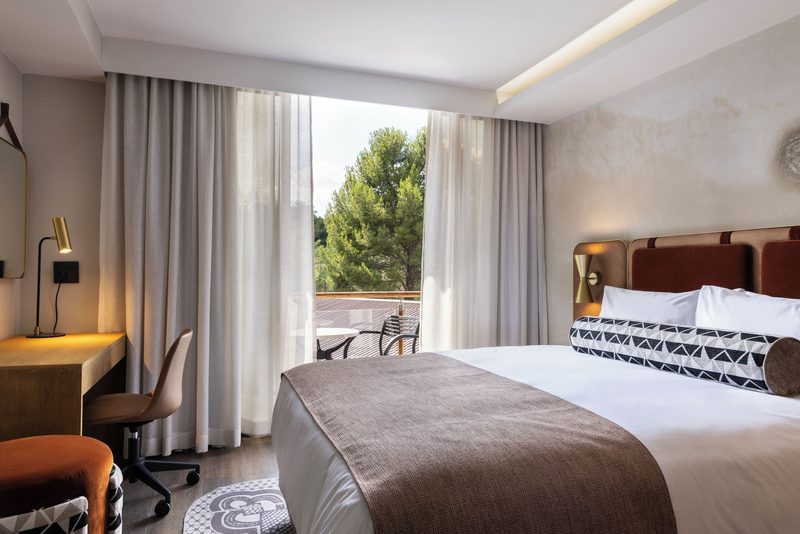
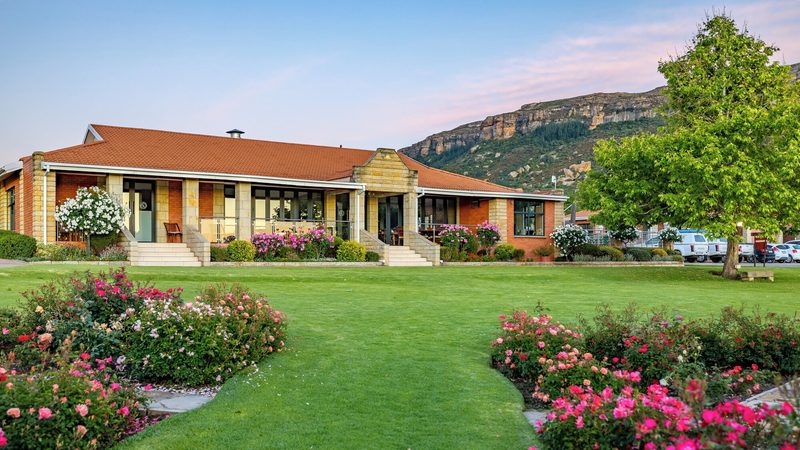
Hand-picked hotels across price tiers for March travellers.
Public Holidays in March
Dates that affect opening hours, transport and crowds
Moshoeshoe Day
Observed nationwide as a public holiday.
Good Friday
Observed nationwide as a public holiday.
Easter Monday
Observed nationwide as a public holiday.
Moshoeshoe Day
Observed nationwide as a public holiday.
Packing Checklist
Bookmark this page — your progress is saved between visits
Need the full list with shopping links?
Climate-specific gear, brand recommendations, and what to leave at home.
View Lesotho Packing List →Essential Tips
Insider knowledge and common pitfalls to avoid
Insider Knowledge
The Sesotho greeting protocol is not optional. Before any transaction, conversation, or request, greet with Lumela (to one person) or Lumelang (to a group). Follow with U phela joang (how are you). Skipping this marks you as rude immediately. Everything from directions to food to accommodation becomes noticeably harder to arrange. Take thirty seconds to learn the exchange before you cross the border. You will be treated differently the entire trip.
March coincides with the tail end of the maize harvest. This is when fresh mealies grilled over roadside coals are at their best. The kernels pop with milky sweetness under a light char. The staple meal everywhere is papa le nama, a stiff maize porridge served with stewed beef or mutton and moroho. Moroho are the wild greens that grow abundantly across the highlands after summer rain. In March the moroho is tender and freshly picked. It is not the dried version served through winter. Look for women selling grilled mealies near bus stops and market areas in any town.
Lesotho's safety picture is more straightforward than the search queries suggest. Rural areas and highland villages are remarkably safe. Basotho hospitality toward travelers is warm in a way that catches visitors from South Africa off guard. Maseru requires standard urban caution, after dark in the city center. The real safety risks in March are environmental. Lightning strikes hit exposed terrain above 2,000 m (6,560 ft). Swollen river crossings change depth within hours. Unpaved roads deteriorate rapidly in rain. Respect the weather and you will be fine.
If you are arriving overland from South Africa, skip the Maseru Bridge border crossing during weekday mornings. Commuter and truck traffic backs up for over an hour. The Caledonspoort crossing near Butha-Buthe in the north, or Qacha's Nek in the south, are far quieter. They put you closer to the highlands. Whichever crossing you use, carry your vehicle documentation and passport with extra photocopies. Border formalities are straightforward. They require patience and paper.
Avoid These Mistakes
Do not underestimate altitude. Maseru sits at 1,600 m (5,250 ft). The highlands climb above 3,000 m (9,840 ft). Even fit travelers feel the thin air on steep ascents, in the first day or two. Headaches, shortness of breath, and fatigue arrive faster than expected. Drink water aggressively. Ascend gradually. Spend at least one night acclimatizing in Maseru before heading into the mountains.
Forget covering the whole country in three or four days. Lesotho's highland roads, even the tarred ones, twist through mountain passes at gradients that cap your speed at 40 km/h (25 mph). The 200 km (124 miles) from Maseru to Katse Dam takes four to five hours. Plan for slow travel. Carry more fuel than you think you need. Fill up at every opportunity. Never drive after dark. Livestock wander onto roads at night. There are no streetlights. Shoulders do not exist.
Do not assume March weather is uniformly warm because Maseru's average high is 25°C (77°F). Temperature drops sharply with altitude. A highland pass at 3,000 m (9,840 ft) can be 15°C (27°F) cooler than Maseru at the same hour. Morning sunshine on a highland ridge turns to driving rain with lightning by 2 PM. Locals watch the clouds constantly. They head indoors well before storms arrive. Follow their lead.
Ready to plan your trip to Lesotho?
Now that you've got the research covered, here's where to go next.
Explore More Activities in Lesotho
Didn't see anything interesting yet?
Browse Viator's full catalog of tours, day trips, food experiences, and private guides in Lesotho.
See All Lesotho Tours on Viator