Things to Do in Lesotho in June
June weather, activities, events & insider tips
Low Season · Budget Friendly
June Weather in Lesotho
Long-run averages for June in Maseru
59°F (15°C)
High Temp
32°F (0°C)
Low Temp
0.5 inches (13 mm)
Rainfall
64%
Humidity
4
Sunny-Day UV
⚠ Black ice on high passes after sunset - rental cars without 4WD get stranded
Making the most of June in Lesotho? Browse tours and activities in Lesotho on GetYourGuide.
Is June Right for You?
Weigh the advantages and considerations before booking
Advantages
- + Afriski Mountain Resort opens for ski season in June, your only reliable shot at skiing in sub-Saharan Africa. The resort perches at 3,000m (9,843ft) in the northern Maluti Mountains near Butha-Buthe, and when June delivers, a good snow year, usually, the runs hold fresh powder while ridelines wear white blankets. The novelty? Undeniable. The scenery? Treeless, vast, and dead silent in every direction.
- + June is Lesotho's deep dry season. You get the clearest skies, the sharpest long-distance visibility of the year. Summer haze? Gone. Winter kills it. At Katse Dam overlook, or the summit of Thaba-Bosiu, you'll spot ridgelines 60-70km (37-43 miles) away. That clarity carves photographs, and memories, rainy-season Lesotho can't touch.
- + June is the only month you can trust the highlands. Summer rains haven't arrived yet, trails stay firm, rivers hold their banks. The winter grass is dry and gold underfoot. Basotho ponies pick their way with the same steady confidence their breeders built into them two centuries ago for this exact terrain. Multi-day treks that turn into logistical nightmares in February become straightforward in June.
- + June in Lesotho means empty trails. Few international tourists come here at the best of times, June sits outside whatever counts as peak season. Thaba-Bosiu, Maletsunyane Falls, and the Katse Dam hold no more than a handful of visitors on any given weekday. Total silence. If solitude and the feeling of having a significant landscape to yourself matters to you, June in Lesotho is likely your best month.
Considerations
- − The cold will hit you like a punch. Most first-timers aren't prepared for it. Highland areas above 2,000m (6,562ft), and that's most of the scenery that makes Lesotho worth visiting, drop below -10°C (14°F) at night in June. Even Maseru, the lowest and most accessible part of the country, touches near-freezing after dark. Visitors who pack for 'Africa in June' expecting warmth will be specifically, uncomfortably wrong.
- − Snowfall can slam the mountain gates shut, no notice, 24-48 hours gone. Sani Pass climbs unpaved, steep, and in June the central highlands glaze over with black ice. Rigid schedules, flights locked, onward connections set, turn the highlands into a stomach-churning trap. The mountains refuse to bend for your calendar.
- − Sunset slams the door at 5:30pm in June. That single fact shapes every plan. Long drives on mountain roads, afternoon hikes, extended days in the field, they all demand early starts and ironclad turnaround times. Driving unfamiliar highland tracks in darkness isn't risky; it is lethal. Most rural lodges and highland campsites flicker to candle-power after dark, their electrical infrastructure barely exists once night drops.
Short on time in June? See day trips around Lesotho on GetYourGuide.
Best Activities in June
Top things to do during your visit
Skiing and Snowboarding at Afriski Mountain Resort
June is when Afriski's season typically comes alive, snow coverage on the runs above 2,900m (9,514ft) tends to be at its most reliable from mid-June through July. The resort has several runs of varying difficulty, a ski school for beginners, and the kind of atmosphere that belongs to a destination that knows how niche it is: most visitors are South Africans for whom Lesotho is their nearest mountain winter, plus the occasional international traveler who can't quite believe they're doing this in Africa. The surrounding peaks in winter are treeless, vast, dusted white, with no infrastructure visible in any direction beyond the resort itself. On a clear day, the cold air smells of snow and dry grass and nothing else. Weekdays are quiet. Weekends fill with day visitors from across the border, during South African school holiday periods.
Booking Tip: Book your lift passes and ski gear at least 3-4 weeks ahead for weekends and school holidays, late June chaos is real. Weekdays? You'll get sorted with days to spare. Check snow reports obsessively before you leave. A bad snow year means half the runs closed and a weekend that feels half-baked. Current tour options sit in the booking section below.
Sani Pass 4WD Ascent Tours
Start at the KwaZulu-Natal border. Gun the engine. The dirt track climbs 9km (5.6-mile) straight into the sky, 1,000m (3,281ft) of switchbacks that mock every rule of engineering. Two hours later you're stamping passports at 2,874m (9,429ft). June brings ice on the upper bends and snow patches that glow like broken mirrors. The landscape up top feels Martian after the subtropical foothills you left behind. The Sani Mountain Lodge crowns the summit and serves cold beer at what might be Africa's highest pub. One sip while staring down into the Drakensberg, that moment you'll fumble to explain later. Most tours roll out of Underberg on the South African side. The 4WD requirement isn't marketing. It is the road.
Booking Tip: Smart travelers pick operators who check road conditions at dawn instead of blindly following a fixed schedule. Ice can close the upper pass by late afternoon in June, even when the morning departure is clear. Small-group tours under eight people adapt faster when conditions shift mid-journey. Weekend slots fill fast. Book 1-2 weeks ahead. Check the booking section below for current options.
Maletsunyane Falls Hiking and Pony Trek
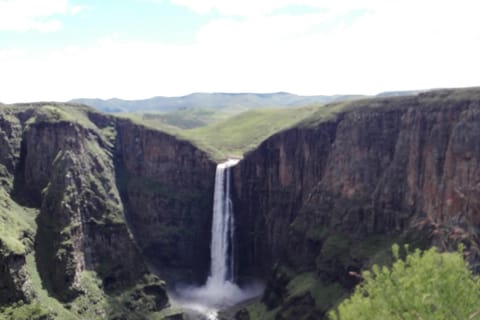
192m (630ft) of water drops in one clean plunge into a basalt gorge outside Semonkong village, 120km (75 miles) southeast of Maseru. June brings dry season, less volume than summer. But the falls flow all year on highland snowmelt. The gorge itself justifies the trip, flow rate aside. Dark columnar basalt, carved over 180 million years, traps cold air even under bright sun. The air smells of wet rock and faint minerals. The distant roar grows as you descend until it owns the whole space. The hike to the base takes 2-3 hours round trip over steep ground. Basotho ponies handle the descent if you'd rather save your knees. The world's longest commercial single-drop abseil at 204m (669ft) runs from the rim, an option for seeing the falls from the outside of a harness instead of from below.
Booking Tip: Semonkong sits a long, punishing drive from Maseru, bring a 4WD for June's washboard ruts. Overnight at the local lodge. You won't race the clock, and you'll catch the gorge lit gold at dusk. Something special. Hire the local guides. They'll keep you alive on the gorge descent and they'll explain the folded rock and the plants while you climb.
Katse Dam and Lesotho Highlands Water Project Tour
The Katse Dam is a double-curvature arch dam that pins back a reservoir running 35km (22 miles) up through the Maluti Mountains, and the engineering feels as wild as the cliffs. The dam wall rises 185m (607ft); step onto the crest walkway and the drop to the river below is sheer, vertigo guaranteed. Suddenly the Lesotho Highlands Water Project, built to siphon water from Lesotho's mountains to thirsty South Africa, swapping royalties and hydroelectric power, turns from brochure jargon into brute concrete reality. In June the surrounding mountains stand stark, snow-dusted at their peaks, and the reservoir sits high and glass-still. The road from Maseru is half the thrill: hairpin bends claw over passes above 2,500m (8,200ft), stone rondavels cling to ridgelines, Angora goats block the tarmac, woodsmoke drifts from villages where the road narrows to a single track. Allow 3-4 hours each way and leave before 8am.
Booking Tip: The Katse road in June demands a 4WD, surface conditions shift by the hour across those high passes. Guided day tours from Maseru erase navigation headaches and hit viewpoint stops that road signs never mention. At the dam, the visitor centre runs engineering and environmental briefings that turn what you're seeing into something you understand.
Multi-Day Basotho Pony Trekking in the Highlands
The Basotho pony was bred for this exact terrain, two centuries of mountain living distilled into a small, rock-sure animal that will walk ledges you'd swear were goat-only. Multi-day treks leave from lodges near Malealea or Ts'ehlanyane National Park and push into country you cannot reach by any other means: roadless valleys, villages where the closest vehicle track sits a two-hour ride away, stone huts where dinner circles a fire while the mercury outside plunges to -8°C (18°F) by midnight. June delivers near-perfect conditions, firm ground, clear trails, and 80km (50 miles) of visibility from the high passes on cloudless afternoons. Nights bite hard and the beds are basic. Yet at 2,800m (9,186ft) the silence is absolute, a hush you will not hear anywhere that demands less sweat to reach.
Booking Tip: Book 3-4 weeks ahead. Multi-day treks fill fast, and only established operators keep current trail intel. Demand the high stuff, your route must break 2,500m (8,200ft) or you'll stare at pleasant foothills while missing Lesotho's interior punch. Pack every warm layer you own. Highland huts don't do subtle. Night temps drop hard. Current options live in the booking section below.
Thaba-Bosiu Historical Site and Maseru Cultural Day
Thaba-Bosiu, 'Mountain of Night' in Sesotho, is a sandstone plateau rising 120m (394ft) from the surrounding plain about 24km (15 miles) east of Maseru. King Moshoeshoe I built the Basotho nation right here. Through the early 19th century he held this plateau against the Zulu, the British, and the Boers in succession. The ruins of his village, the royal tombs, and the marks of defensive walls remain at the top of a trail visitors can climb in under an hour. June's clear winter air delivers the sharpest view all year from the summit, across the flat lowlands toward Maseru and the mountain ranges beyond. Combine the visit with a morning at Maseru's central market area. The smell of roasting corn and woodsmoke mixes with famo music drifting from a vendor's speaker. You'll cover both the historical weight and the living present of Basotho culture in one full day. Worth knowing: near Leribe in the north, accessible dinosaur footprints along the Subeng River date back 180 million years and are walkable with a local guide, a strange and specific counterpoint to the country's more recent history.
Booking Tip: Skip the solo climb, hire a guide at Thaba-Bosiu. The plateau's battles and political decisions come alive through local storytellers. No signboard can match that depth. Half a day covers the site. Tack on Maseru and you'll fill a full day. The road from Maseru is paved, any car handles it, no 4WD needed.
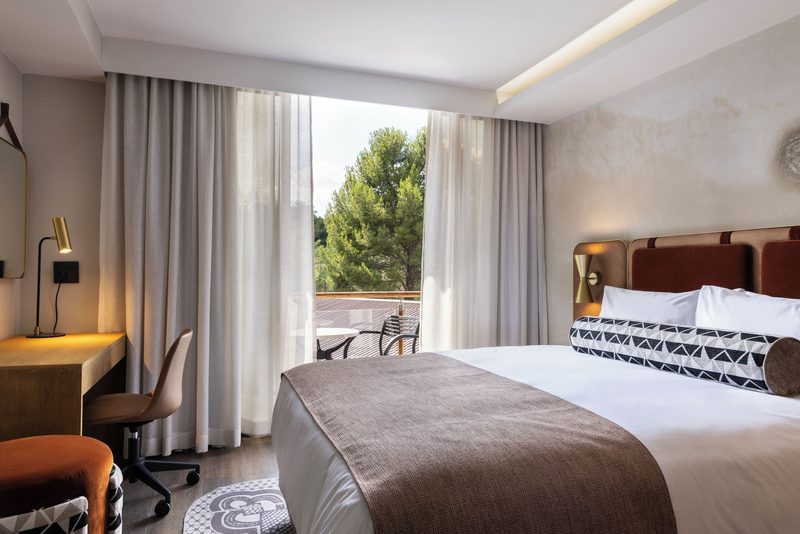
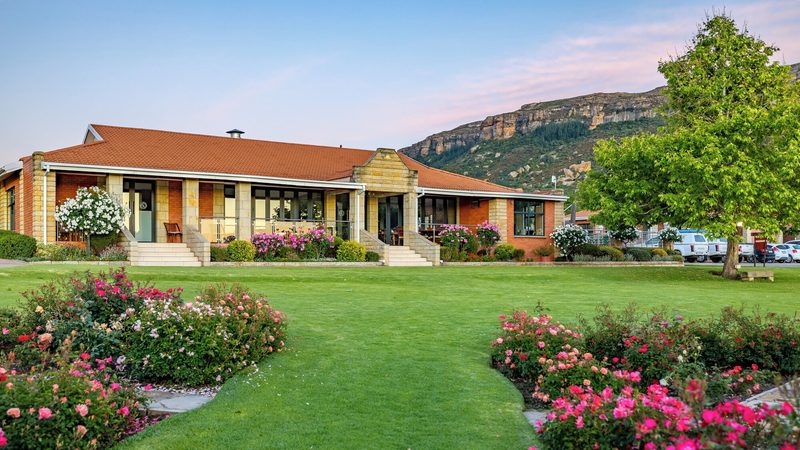
Where to Stay in Lesotho in June
Hand-picked hotels across price tiers for June travellers.
Packing Checklist
Bookmark this page — your progress is saved between visits
Need the full list with shopping links?
Climate-specific gear, brand recommendations, and what to leave at home.
View Lesotho Packing List →Essential Tips
Insider knowledge and common pitfalls to avoid
Insider Knowledge
Lesotho is safer than first-timers expect. Yet the risks are precise. Maseru carries the petty theft and grab-and-run bag-snatching you'd find in any southern African capital. Keep your bag tight in busy market lanes and around the central bus terminal; don't leave phones or wallets on the dashboard of a parked car. Flip the map. The highlands rank among the region's safest rural zones. June flips the script again: the roads become Lesotho's real hazard. Mountain tracks turn lethal under ice and snow, and most serious incidents trace back to overconfident drivers wrestling an unfamiliar 4WD over a slick highland pass.
The Basotho blanket isn't a costume. Those boldly patterned wool layers you see on teenagers in Maseru and shepherds above 3,000m (9,843ft) are pure function, working winter wear, not ceremony. Each design speaks. Specific patterns mark occasions and status in ways Basotho people decode instantly. Buy one from an established craft outlet or community weaving project in Maseru. You'll stay warm at altitude, practical, and you won't look like a tourist. Ask what the design means. There's always a specific answer, and the seller will know it.
Cross the border without paperwork and you're toast. Car rental terms matter as much as vehicle choice, more,. If you plan to hire a car in South Africa and drive into Lesotho, you need explicit written permission from the rental company. Not an assumption. A document. Many standard rental agreements exclude Lesotho coverage entirely. Translation: roadside assistance if you break down on a highland road is your problem alone. Hire from a company that specifically confirms cross-border cover. Carry that document in the vehicle. A 4WD with high clearance is not a recommendation for June conditions. It is the minimum for anything above the paved road between Maseru and Leribe.
Altitude sickness will wreck your trip if you rush. Spend your first night in Maseru at roughly 1,600m (5,249ft) before driving to Afriski or the Katse region at 2,500-3,000m (8,202-9,843ft). One day here saves the whole adventure. Skip this and the headache arrives, usually around 4pm on your first highland afternoon. It lingers through the night. Ibuprofen and extra water help, but you'll still miss whatever you planned for that evening and the following morning. Drink more water than you think you need from the moment you land.
Avoid These Mistakes
June in Lesotho will slap you. Lesotho is the only country on earth where every square metre sits above 1,000m (3,281ft). Mid-winter here, June, means business. The highlands catch real snow, often. Fly in picturing "Africa" sun, pack T-shirts and a light jacket, then gun the rental straight to a mountain lodge at 2,800m (9,186ft). Your first night will be pure misery, and that chill sets the tone for everything that follows.
Highland itineraries booked with zero schedule flexibility and no backup plan will bite you. Mountain road closures from ice and snow in June aren't exceptional, they're routine, lasting anywhere from a few hours to 48 hours depending on snowfall volume. Build in at least one buffer night in Maseru, which sits on paved roads and stays accessible in all weather, and a snow closure becomes a temporary inconvenience. Skip that buffer, and one road closure collapses your entire itinerary. You'll be stranded at a highland lodge watching the weather.
Don't show up at Thaba-Bosiu or Katse Dam without a guide. The information boards won't cut it. Lesotho's history runs deep, Moshoeshoe I's consolidation of the Basotho nation against colonization, the political ingenuity that kept Lesotho independent when every neighboring territory was absorbed, the decades of negotiation behind the Highlands Water Project. This isn't trivia. It's the difference between "interesting" and "significant in a way that stays with you."
Ready to plan your trip to Lesotho?
Now that you've got the research covered, here's where to go next.
Book Experiences in Lesotho
Top-rated things to do in Lesotho this June
Explore More Activities in Lesotho
Didn't see anything interesting yet?
Browse Viator's full catalog of tours, day trips, food experiences, and private guides in Lesotho.
See All Lesotho Tours on Viator