Things to Do in Lesotho in August
August weather, activities, events & insider tips
Low Season · Budget Friendly
August Weather in Lesotho
Long-run averages for August in Maseru
66°F (19°C)
High Temp
35°F (2°C)
Low Temp
0.6 inches (15 mm)
Rainfall
47%
Humidity
6
Sunny-Day UV
⚠ Near-freezing temperatures: pack warm layers
Making the most of August in Lesotho? Browse tours and activities in Lesotho on GetYourGuide.
Is August Right for You?
Weigh the advantages and considerations before booking
Advantages
- + August is bone-dry compared to summer thunderstorm season. You can drive the Sani Pass without worrying about landslides washing out the switchbacks. The dirt stays put. Dry season means safe switchbacks.
- + Mornings hit that sweet spot of 50°F (10°C) with crystal-clear air. The Drakensberg escarpment looks close enough to touch from Maseru. Light is sharp. Views feel closer.
- + Village initiation ceremonies happen this month. You'll hear the rhythmic thud of mokorotlo drums drifting across the Maloti foothills at dusk. Sound carries far. Evening rhythm builds.
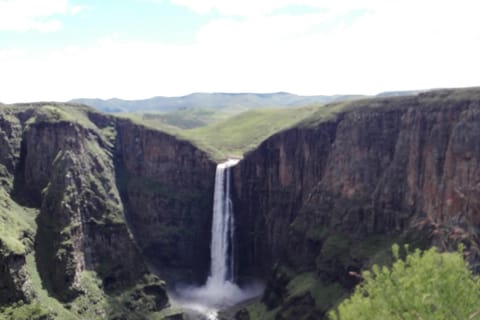
- + Hotel rates drop 30-40% after school holidays end mid-August. You'll have Semonkong's 630-foot (192 m) Maletsunyane Falls practically to yourself. Silence echoes. Mist hangs alone.
Considerations
- − Nights plunge to 35°F (2°C) at altitude. That 'Lesotho weather' search result isn't joking about frost, and most guesthouses don't insulate well. Bring layers. Expect cold.
- − Dust gets everywhere. The dry red earth coats your boots, camera gear, and throat after a day hiking the 9,500-foot (2,896 m) Bokong Nature Reserve trails. Rinse often. Dust sticks.
Short on time in August? See day trips around Lesotho on GetYourGuide.
Best Activities in August
Top things to do during your visit
Sani Pass 4WD Mountain Tours
August's dry roads make the 33-switchback climb to 9,435 feet (2,876 m) enjoyable instead of white-knuckle terrifying. The air's so clear you can see all the way to the Indian Ocean haze on good days, and the pub at the top serves the highest-altitude beer on the continent. Sip slow. Views reward.
Booking Tip: Book 5-7 days ahead through licensed operators. Check the booking widget below for current Sani Pass tours. Insist on vehicles with proper clearance. Sedans get turned back at the South African border post. No exceptions. Check clearance.
Katse Dam Engineering Tours
This 185-meter (607-foot) wall happens to be perfect August viewing. Water levels are high from winter snowmelt but the reservoir mirror reflects those cobalt winter skies. The turbine hall echoes differently in cold air, and you'll feel the 52°F (11°C) chill even inside Africa's second-largest dam. Jacket needed. Echo feels colder.
Booking Tip: Arrive by 10am when guides still speak English fluently before the afternoon language shift to Sesotho. Tours run hourly but August groups stay small. Beat the switch. Morning clarity helps.
Pony Trekking in Malealea Valley
Basotho ponies prefer August's crisp mornings to summer's heat. They'll cover 12 miles (19 km) of ridge trails without the usual midday sweat. The grass is golden and short, so you spot klipspringers darting between sandstone outcrops that glow amber at sunrise. Ride early. Light is magic.
Booking Tip: Overnight treks book up first. Reserve 10 days ahead through community-run operators (see current options below). Pack gloves. Leather reins freeze overnight. Frozen reins bite. Plan ahead.
Dinosaur Trackways Hiking
The 200-million-year-old footprints at Subeng Stream are normally underwater until August when the Caledon River drops low enough to expose the whole 30-foot (9 m) trackway. You'll walk across sandstone that squeaks under boots, following theropod prints that disappear into Jurassic river sediments. Listen for squeaks. Time travel.
Booking Tip: Go at 7am when the tracks catch oblique light. Shadows make the prints pop. Local herd boys will guide you for a negotiated fee. Agree price upfront. Light matters. Haggle kindly.
Where to Stay in Lesotho in August
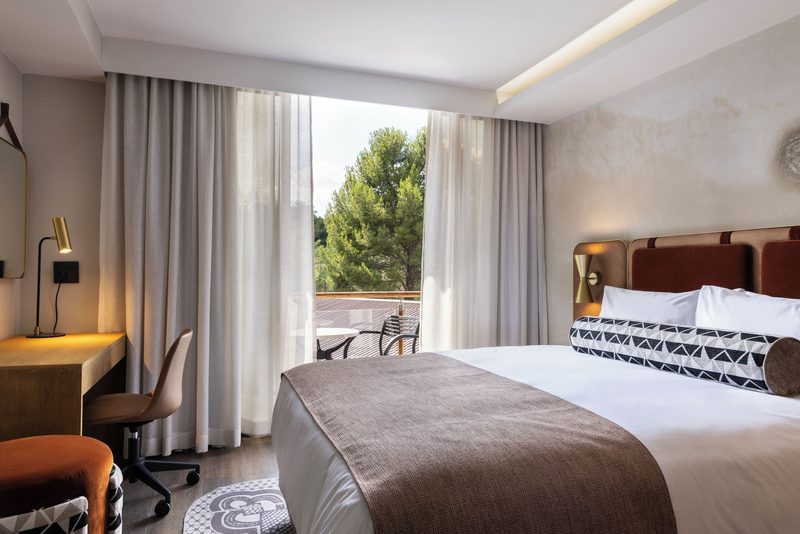
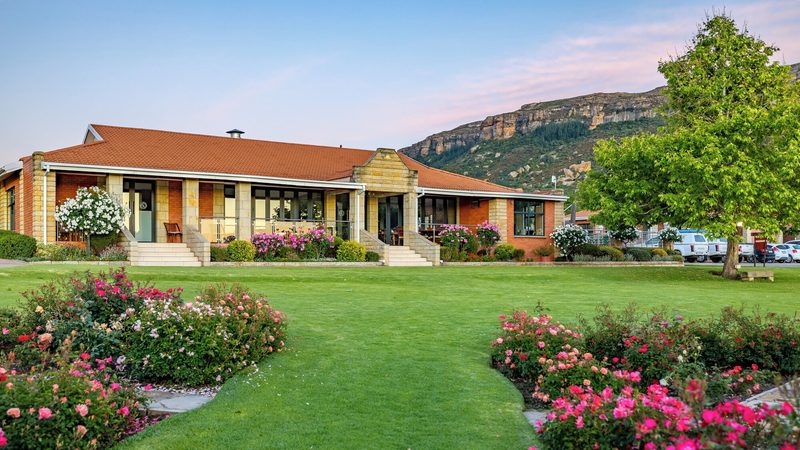
Hand-picked hotels across price tiers for August travellers.
Packing Checklist
Bookmark this page — your progress is saved between visits
Need the full list with shopping links?
Climate-specific gear, brand recommendations, and what to leave at home.
View Lesotho Packing List →Essential Tips
Insider knowledge and common pitfalls to avoid
Insider Knowledge
The Chinese-built Mpilo Boulevard opens late 2025. It'll shave 40 minutes off drives to Thaba-Tseka but GPS hasn't updated yet, so locals still take the old road. Map lags. Ask around.
Shebeen bars in Maseru's Maseru East district serve joala (sorghum beer) that's fermented stronger in August's cold. Ask for 'e ncha' (the fresh batch). Fresh kicks harder. Cold boosts brew.
Blanket vendors at Maseru market drop prices after 4pm when they need to catch minibus taxis home. Same Mohair Basotho blanket costs less at dusk. Haggle late. Save maloti.
The Katse botanical garden's aloes bloom scarlet in August. Most visitors drive past the 3-hectare garden to see the dam and miss it completely. Stop. Color waits.
Avoid These Mistakes
Assuming August means summer weather. That 'Lesotho weather' Google result showing frost warnings is real, pack accordingly. Google tells truth. Pack frost gear.
Booking accommodation in Maseru for the whole trip. August nights are clearer for stargazing at Afriski or Semonkong, worth the mountain drive. Stars blaze. Drive up.
Trying to combine Lesotho with Kruger in one August trip. The Sani Pass road conditions make the border crossing unpredictable after 3pm. Pass closes early. Choose one.
Ready to plan your trip to Lesotho?
Now that you've got the research covered, here's where to go next.
Book Experiences in Lesotho
Top-rated things to do in Lesotho this August
Explore More Activities in Lesotho
Didn't see anything interesting yet?
Browse Viator's full catalog of tours, day trips, food experiences, and private guides in Lesotho.
See All Lesotho Tours on Viator