Things to Do in Lesotho in May
May weather, activities, events & insider tips
Low Season · Budget Friendly
May Weather in Lesotho
Long-run averages for May in Maseru
64°F (18°C)
High Temp
37°F (3°C)
Low Temp
1.1 inches (28 mm)
Rainfall
61%
Humidity
5
Sunny-Day UV
⚠ Overnight frost is common throughout Lesotho in May, and temperatures in the highlands above 2,500 m (8,200 ft) regularly drop below -5°C (23°F) after sunset. Exposed water pipes at rural lodges may freeze overnight, and morning ice on footpaths and vehicle tracks is a genuine slip-and-fall hazard until the sun warms surfaces around mid-morning.
⚠ Mountain pass roads, the upper sections of Sani Pass and routes above 2,800 m (9,186 ft), can develop black ice in the early morning hours. Drive slowly before 9 AM, carry chains if your vehicle allows them, and do not attempt Sani Pass without 4x4 capability and daylight on your side.
⚠ Altitude effects are commonly overlooked. Maseru sits at approximately 1,600 m (5,249 ft) and many highland destinations exceed 2,500 m (8,200 ft). Travellers arriving from sea level may experience headaches, breathlessness, and fatigue for the first day or two. Ascend gradually where possible and stay well hydrated, as the dry winter air accelerates dehydration.
Making the most of May in Lesotho? Browse tours and activities in Lesotho on GetYourGuide.
Is May Right for You?
Weigh the advantages and considerations before booking
Advantages
- + Dry season clarity transforms Lesotho's highlands into some of the sharpest mountain scenery in southern Africa. With only 28 mm (1.1 inches) of rain across the entire month, the skies over the Maluti range tend to stay a deep, unbroken blue from sunrise until well after sunset. Visibility on clear days stretches far enough to pick out individual sandstone ridgelines 50 km (31 miles) away. For photography or simply absorbing the scale of this landscape, May is likely as good as it gets.
- + Crowd levels drop to their annual low. The summer hiking season wound down in March. The ski crowd headed for Afriski won't arrive until late June. In practical terms, this means the trail down to Maletsunyane Falls near Semonkong, which can feel congested in December, is yours to walk at your own pace. Accommodation across the highlands is easier to arrange on shorter notice. Pricing tends to reflect the quieter period.
- + The golden-brown grasslands of early winter create a landscape that looks nothing like the green summer postcard version of Lesotho. The highlands above 2,500 m (8,200 ft) take on an almost Patagonian quality, with tawny grass rippling in cold wind against dark basalt outcrops. It is a different country from what you would see in January. Arguably a more honest one. Stripped down to rock and sky and the smell of woodsmoke from village cooking fires.
- + Daytime temperatures in Maseru sit around 18°C (64°F), which is comfortable for extended outdoor activity without the energy-sapping heat of the summer months. Pony trekking through the highlands, visiting Thaba Bosiu, or walking the sandstone canyons near Roma all feel easier when you are not fighting 28°C (82°F) afternoon sun. You can cover more ground. Stay out longer. enjoy the effort.
Considerations
- − Nights are cold and catch first-time visitors off guard. The average low of 3°C (37°F) in Maseru drops well below freezing in the highlands. Many guesthouses and lodges outside the capital rely on paraffin heaters or fireplaces rather than central heating. If you are staying in a traditional rondavel near Malealea or Semonkong, expect to see your breath indoors at dawn. Sleeping bags rated to at least -5°C (23°F) are not overcautious for anything above 2,000 m (6,562 ft).
- − Daylight hours shrink noticeably. The sun sets before 5:30 PM and does not rise until after 6:30 AM, which limits the window for outdoor activities. This means driving mountain roads after dark, something you should avoid on Lesotho's unlit, often unpaved highland passes. Plan to be off the road and settled by 4:30 PM at the latest.
- − Some highland routes become marginal. While May is dry, overnight frost can leave patches of black ice on the higher passes, Sani Pass and the road to Afriski above 3,000 m (9,843 ft). A 4x4 is already non-negotiable for most highland driving. In May you also need to account for icy stretches in the first hours after sunrise. The Katse Dam road is paved and generally fine. The smaller tracks to places like Sehlabathebe National Park demand genuine off-road confidence.
Short on time in May? See day trips around Lesotho on GetYourGuide.
Best Activities in May
Top things to do during your visit
Highland Pony Trekking from Malealea or Semonkong
May is arguably the best month in the calendar for Basotho pony trekking. The summer rains have stopped. River crossings that were chest-deep torrents in February are now manageable fords. The trails are dry enough that your pony's footing on the steep sandstone descents feels solid rather than sketchy. The air at 2,200 m (7,218 ft) has a thin, clean bite to it that smells of nothing but dry grass and the occasional whiff of burning cow dung from a distant village. You will ride the same stocky, sure-footed Basotho ponies that have been the primary transport in these mountains for two centuries. Through valleys where the only sounds are hoofbeats on rock, wind in the grass, and the occasional herd boy's whistle carrying across a canyon. Multi-day treks sleeping in village homestays are the way to experience this properly. The cold nights are the trade-off. The morning light hitting the Maluti peaks at dawn, turning the sandstone from grey to copper to gold over about ten minutes, earns every shiver. Book through licensed operators at least two weeks ahead. Check current trek options in the booking section below.
Booking Tip: Arrange treks at least 14 days in advance, multi-day routes. Look for operators based in Malealea or Semonkong with established village homestay networks. A single-day ride gives you the flavour. Two or three days is where the landscape opens up. Confirm that your operator provides warm bedding. Or arrange to carry your own sleeping bag.
Thaba Bosiu Mountain Fortress and Basotho Heritage
The flat-topped mountain where King Moshoeshoe I held off Boer commandos, British cavalry, and Zulu raiding parties sits about 24 km (15 miles) east of Maseru. Visiting it in May means you get the place in something close to solitude. The climb itself is moderate, maybe forty minutes up a rocky path. The real draw is what you see from the summit: the entire Caledon River valley spreading out below in winter gold, with South Africa's Free State flatlands on the far side and the Maluti foothills rising behind you. The ruins of Moshoeshoe's original settlement are still visible, stone walls and grain storage pits that tell the story of a leader who chose this ground because it was impregnable. On a May morning, with frost still melting on the grass and the air so clear it seems to ring, you can stand where he stood. Understand immediately why nobody ever took this mountain. The cultural significance here runs deep. A guided visit with a local heritage interpreter makes the difference between seeing old rocks and understanding a founding national story. See current guided tour options in the booking section below.
Booking Tip: Guided heritage tours are available and well worth arranging in advance. Arrive early. The morning light is best then, and frost still covers the ground. The climb is not technical but involves loose rock, so proper footwear matters. Allow three to four hours for the full experience including the visitor centre at the base.
Katse Dam and the Highlands Water Project
The drive from Maseru to Katse Dam is roughly 200 km (124 miles) and takes four to five hours on a winding mountain road that is one of the most spectacular drives in southern Africa. In May, with the air scrubbed clean by dry winter weather, every switchback reveals another valley dropping away below you, the reservoir itself appearing and disappearing between passes as you climb above 2,000 m (6,562 ft). Katse Dam is the centrepiece of the Lesotho Highlands Water Project, an engineering achievement that harnesses the country's mountain water for export to South Africa's Gauteng province. Stand on the dam wall. Wind cuts across the reservoir surface and water echoes off the concrete arc, the scale of what a tiny mountain kingdom built here becoming tangible. The botanical garden nearby, though quieter in winter, still holds some of Lesotho's endemic alpine species. The reservoir itself sits in a landscape of bare basalt ridges and golden grassland that feels closer to Iceland than to the Africa most visitors imagine.
Booking Tip: The drive requires a full day from Maseru, so plan to overnight near the dam or in one of the highland towns along the route. Tour visits to the dam wall and visitor centre are available but best confirmed a few days ahead, as staffing can be limited in low season. A 4x4 is not strictly necessary on the main A3 road but gives peace of mind on the mountain sections. Check the booking section below for organised day trips from Maseru.
Maletsunyane Falls and Semonkong Valley Walks
Maletsunyane Falls drops 192 m (630 ft) in a single plunge, making it one of the highest single-drop waterfalls in southern Africa. In May, the flow is reduced from its summer torrent to something more photogenic, a white thread against dark basalt that you can hear from the canyon rim as a steady hiss rather than the deafening roar of the wet months. The walk from Semonkong to the falls viewpoint takes roughly an hour and a half each way over undulating highland terrain, and in winter the path is dry, firm, and easy to follow. The canyon itself funnels cold air upward, so expect the temperature at the rim to feel several degrees below whatever Semonkong village reads, and bring a windproof layer even if the morning feels mild. The light in the canyon is best between 10 AM and 2 PM when the sun clears the eastern wall and catches the spray. Semonkong itself is a small highland town with a genuine end-of-the-road feel, the kind of place where donkeys outnumber cars and the night sky is so dark you can see the Milky Way's dust lanes with your bare eyes.
Booking Tip: Semonkong is roughly three hours from Maseru on a road that is mostly paved but deteriorates for the final stretch. Plan to stay at least one night. The falls walk is straightforward but unmarked in places, so a local guide from the lodge or community tourism office is worth arranging. Abseiling (rappelling) down the falls face operates seasonally and may have limited availability in May, so confirm ahead. See the booking section below for current options.
Dinosaur Footprint Sites at Moyeni and the Subeng River
Lesotho has one of the densest concentrations of dinosaur trackways in the world, a fact that catches most visitors completely off guard. The exposed sandstone riverbed at Moyeni, near the southern town of Quthing, holds clear three-toed prints from theropod dinosaurs dating back roughly 200 million years, and in May's low water you can walk right up to them without getting your feet wet. The Subeng River site near Leribe in the north holds similarly well-preserved tracks in a riverbed setting. What makes these sites notable is not just the prints themselves but the absence of infrastructure around them. There are no boardwalks, no admission queues, no gift shops. A local guide meets you at the riverbank, points out the tracks in the stone, and you crouch down and put your hand inside a footprint left by something that weighed several tonnes and walked here when this sandstone was wet mud. The tactile reality of that moment, cool stone under your fingers, the sound of the river running past, sunlight warming your back while you trace the outline of a claw mark, is worth the drive south from Maseru.
Booking Tip: The Moyeni site is about 160 km (99 miles) south of Maseru, roughly three hours of driving. Local guides are essential as the sites are not signposted and the prints are easy to walk past without knowing what you are looking at. Community tourism offices in Quthing or Leribe can arrange guides, usually on a day or two of notice. Allow half a day for each site. Current guided options may appear in the booking section below.
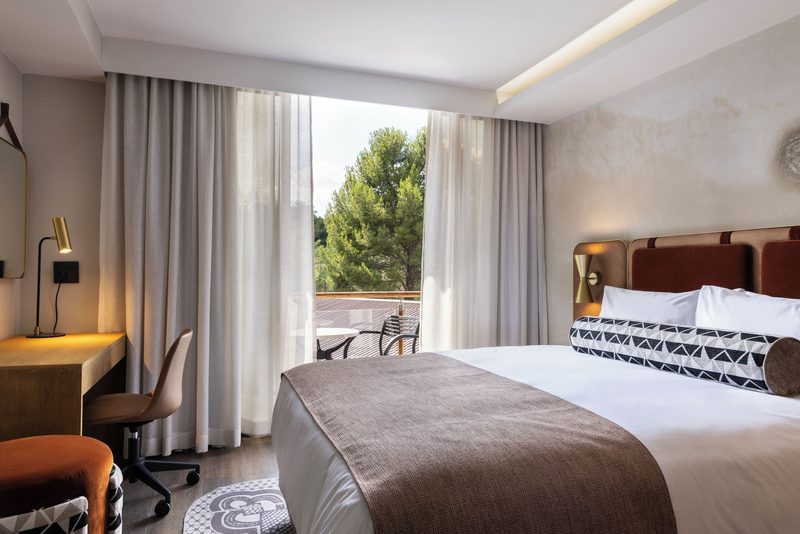
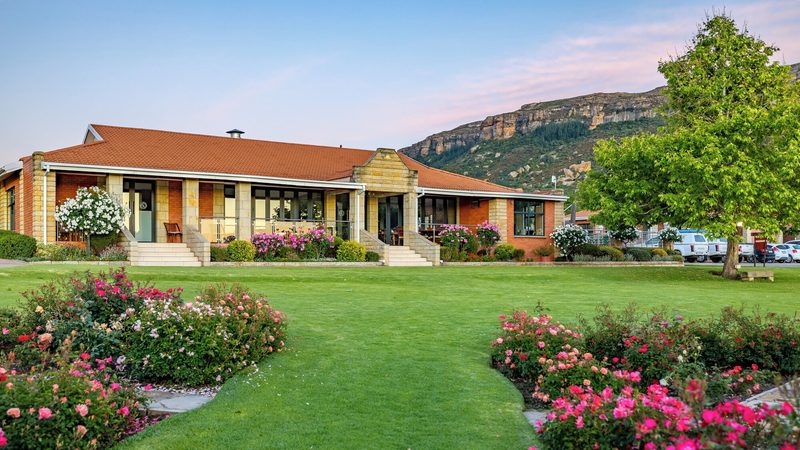
Where to Stay in Lesotho in May
Hand-picked hotels across price tiers for May travellers.
Public Holidays in May
Dates that affect opening hours, transport and crowds
Workers' Day
Observed nationwide as a public holiday.
Ascension Day
Observed nationwide as a public holiday.
Africa Day/ Heroes' Day
Observed nationwide as a public holiday.
Workers' Day
Observed nationwide as a public holiday.
Africa Day/ Heroes' Day
Observed nationwide as a public holiday.
Ascension Day
Observed nationwide as a public holiday.
Packing Checklist
Bookmark this page — your progress is saved between visits
Need the full list with shopping links?
Climate-specific gear, brand recommendations, and what to leave at home.
View Lesotho Packing List →Essential Tips
Insider knowledge and common pitfalls to avoid
Insider Knowledge
Teyateyaneng, known locally as TY, is the craft capital of Lesotho and sits about 40 km (25 miles) north of Maseru. The weavers and tapestry workshops here produce some of the finest handwork in southern Africa, and in May's quiet season you can often watch artisans at work and speak with them directly rather than dealing with the middleman experience of a tourist market. The wool tapestries depicting highland scenes are worth the drive alone. This is where many of the Basotho blankets sold in Maseru originate.
The mountain pass roads are at their most navigable in May, before winter ice sets in (June and July are worse) and well after the summer mud has dried. If you have been told you need a 4x4 for the highlands, May is the month where a capable high-clearance 2WD can handle more routes than usual, though the mountain passes like Sani still demand four-wheel drive. The roads are dusty but firm, and the lack of rain means fewer washouts and fewer surprises around blind corners.
Eat papa and moroho at every opportunity. Papa is the dense maize porridge that forms the foundation of Basotho cooking, and moroho is a dish of wild greens, often mustard spinach or something similar, cooked down until soft and earthy. Together they taste like the highlands smell: mineral, slightly smoky, grounding. In May, village homestays and highland lodges tend to serve heartier winter versions with slow-cooked mutton or beef, and eating this by a fire in a rondavel while the temperature drops outside is one of those meals that lodges itself in memory not because it is refined but because it is exactly right for the moment.
Morija, about 44 km (27 miles) south of Maseru, is where the Paris Evangelical Missionary Society established its first mission in 1833, and the small museum there holds what is arguably the best collection of Basotho material culture and natural history in the country. In May, you might be the only visitor. The town also has a printing works that has been producing Sesotho-language literature since the nineteenth century. The annual Morija Arts and Cultural Festival happens in October, not May, but the museum alone justifies the short drive from the capital.
Avoid These Mistakes
Underestimating the cold. Lesotho is in Africa, which leads first-time visitors to pack as though they are heading for a warm-weather destination. At an average altitude of 1,800 m (5,906 ft) and with May nights dropping to 3°C (37°F) in the lowlands and well below freezing in the highlands, packing for a beach holiday will leave you uncomfortable. Every year, travellers arrive in Maseru in shorts and sandals and immediately head for the nearest shop selling fleece. Pack for cool European autumn weather, then add another layer.
Never drive the highland roads after dark. Lesotho's mountain roads are unlit, often unpaved, sometimes unfenced on cliff edges, and shared with livestock that have no reflective markings and no interest in moving aside. Combine this with potential frost patches in May, and after-dark driving becomes a genuine safety risk rather than merely inconvenient. Plan your driving days so you reach your destination by 4 PM at the latest.
Do not treat Lesotho as a day trip from South Africa. The border crossings work, and plenty of people drive up from Durban or Bloemfontein, poke around Maseru for a few hours, and drive home. This is like visiting Switzerland and never leaving the airport lounge. The country is its highlands, and the highlands require at least three days and ideally five to experience with any depth. The soul of Lesotho is in the villages above 2,000 m (6,562 ft), not in the capital.
Ready to plan your trip to Lesotho?
Now that you've got the research covered, here's where to go next.
Explore More Activities in Lesotho
Didn't see anything interesting yet?
Browse Viator's full catalog of tours, day trips, food experiences, and private guides in Lesotho.
See All Lesotho Tours on Viator